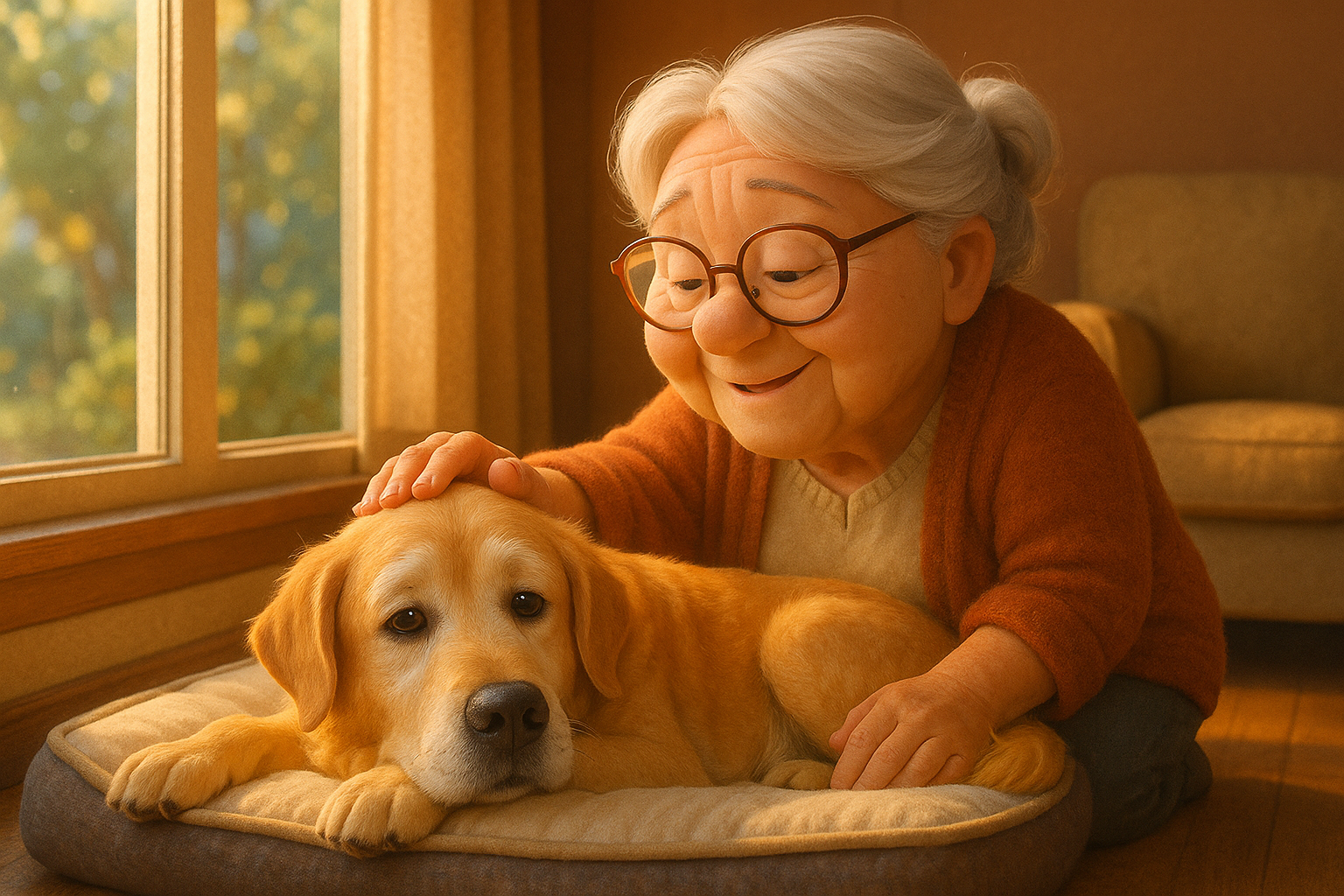
Somewhere between the puppy energy of the early years and the graying muzzle you might not have noticed creeping in, your dog or cat crosses into their senior years, often earlier than most owners realize. For dogs, this threshold varies dramatically by size: a giant breed like a Great Dane may be considered senior by age five or six, while a small breed like a Chihuahua might not reach that stage until ten or eleven. Cats generally settle into their senior years somewhere between age seven and ten, regardless of breed.
This wide variation catches many owners off guard. It's easy to keep treating a seven-year-old Labrador like the same dog who once tore through the backyard as a puppy, even as their joints, metabolism, and cognitive needs are quietly shifting. Recognizing this transition, and adjusting care accordingly, is one of the most meaningful things you can do for a pet entering their golden years.
Senior pet care isn't about treating your companion as fragile or defining them by their age. It's about tuning into changing needs: nutrition that supports aging joints and organs, more frequent veterinary screenings that catch problems while they're still manageable, and a home environment that keeps comfort and mobility easy.
This guide walks through what to expect as your dog or cat ages, from nutrition and mobility to cognitive changes and quality-of-life comforts at home. Tools like CarePet AI can help you track these gradual shifts over time, so you can give your senior pet the attentive, informed care they deserve at every stage.
When Is a Pet Considered a Senior?
There's no single age at which a pet officially becomes a senior, but general guidelines can help you know what to watch for and when to start adjusting their care.
Dogs
Size is the biggest factor in canine aging. Small breeds, under about 20 pounds, are typically considered senior around 10 to 12 years old, medium breeds around 8 to 10 years, and large or giant breeds, whose bodies age faster and carry more strain on joints and organs, often reach senior status by 5 to 7 years.
Cats
Cats follow a somewhat more consistent timeline, generally entering their senior years between 7 and 10 years old, with "geriatric" typically used for cats past 11 or so. Indoor cats with consistent care often show fewer visible signs of aging early on, which makes routine monitoring especially valuable.
- Small dogs (under 20 lbs): Generally considered senior around 10–12 years.
- Medium dogs (20–50 lbs): Typically enter their senior years around 8–10 years.
- Large and giant dogs (over 50 lbs): Often considered senior as early as 5–7 years.
- Cats: Generally enter their senior years between 7 and 10 years old.
- Individual variation: Genetics, weight, and health history all influence how quickly a pet ages.
Rather than dreading this transition, think of it as a cue to start adjusting care proactively. Earlier attention often means a smoother, healthier transition into the senior years.
Nutritional Needs of Aging Pets
As pets age, their metabolism typically slows, which means many seniors need fewer calories than they did as adults to maintain a healthy weight. At the same time, their bodies often benefit from more targeted nutritional support, particularly for joints, digestion, and muscle maintenance, making senior nutrition more about quality and precision than simply less food.
Joint-support nutrients like glucosamine, chondroitin, and omega-3 fatty acids are commonly recommended for aging pets, since they can help support cartilage health and reduce inflammation. Easily digestible, high-quality protein helps maintain muscle mass, which naturally declines with age and is important for mobility and strength. Weight management is especially critical in senior pets, since extra pounds put additional strain on aging joints and organs, while being underweight can signal an underlying health issue.
- Lower calorie density: Adjusted portions to match a slower metabolism and reduced activity.
- Joint-support nutrients: Glucosamine, chondroitin, and omega-3 fatty acids to support mobility and reduce inflammation.
- High-quality, digestible protein: Supports muscle maintenance without overtaxing aging kidneys.
- Weight management: Regular monitoring to prevent both obesity and unintended weight loss.
- Fiber for digestion: Supports gut health, which can become more sensitive with age.
Hydration is another important, often overlooked, piece of senior nutrition. Aging kidneys are typically less able to concentrate urine efficiently, so making sure your senior pet always has access to fresh water, and paying attention to changes in how much they drink, supports both kidney health and overall comfort.
Any changes to your senior pet's diet, including switching to a senior-specific formula or adding new supplements, should be discussed with your veterinarian, who can tailor recommendations to your pet's specific health needs.
Managing Joint Health and Mobility
Arthritis and joint discomfort are among the most common issues affecting senior dogs and cats, though they often develop so gradually that owners mistake the early signs for simply "slowing down." Stiffness after resting, hesitance to jump onto furniture, difficulty climbing stairs, and a shortened, less enthusiastic gait during walks are all classic early indicators worth mentioning to your vet.
The good news is that joint discomfort is highly manageable with the right combination of approaches. Simple home modifications, like ramps or steps to help pets reach beds and couches, and non-slip flooring or rugs over hardwood or tile, can make a significant difference in daily comfort and reduce the risk of falls or further strain.
Appropriate, low-impact exercise, such as shorter, more frequent walks or gentle swimming rather than intense play, helps maintain muscle tone and joint mobility without overloading sore joints. If your senior pet is showing consistent signs of discomfort, it's worth having a direct conversation with your veterinarian about pain management options, which range from supplements to prescription medications and other therapies.
- Ramps and steps: Help pets reach furniture, beds, or vehicles without jumping.
- Non-slip flooring: Rugs or mats over slick surfaces reduce slipping and joint strain.
- Shorter, more frequent walks: Low-impact exercise that maintains mobility without overexertion.
- Orthopedic support: Supportive bedding that cushions pressure points and joints.
- Veterinary pain management: A conversation with your vet if stiffness or discomfort persists.
Some senior pets also benefit from complementary therapies like hydrotherapy or acupuncture, which a growing number of veterinary practices now offer alongside traditional treatment. These approaches aren't the right fit for every pet, but they're worth asking your vet about if your senior is struggling with mobility despite other adjustments.
Left unaddressed, joint pain can significantly limit a senior pet's quality of life, so don't hesitate to raise even mild, gradual changes with your vet.
Cognitive Changes in Senior Pets
Just as in people, cognitive changes can accompany aging in dogs and cats, sometimes referred to as cognitive dysfunction syndrome. This isn't something to self-diagnose, but it's helpful to know the signs so you can bring them up with your veterinarian, who can help distinguish cognitive decline from other treatable conditions with overlapping symptoms.
Common signs include disorientation, such as appearing lost in familiar places or staring blankly at walls; changes in sleep-wake cycles, like being awake and restless at night but sleepy during the day; and house-training lapses in a previously reliable pet. Reduced interest in interaction, increased anxiety, or excessive vocalization, particularly at night, can also be signs worth discussing with your vet.
Mental stimulation can help support cognitive health at any age, but it's particularly valuable for seniors. Simple enrichment, like puzzle feeders, short training sessions, new scents on a walk, or gentle interactive play, helps keep the mind engaged without physical strain.
- Disorientation: Appearing confused or lost in familiar spaces.
- Sleep-wake changes: Restlessness at night paired with increased daytime sleeping.
- House-training lapses: Accidents from a previously reliable pet.
- Reduced interaction: Less interest in family members, toys, or routines they used to enjoy.
- Mental enrichment: Puzzle feeders, gentle training, and new experiences to keep the mind active.
Keeping a consistent routine, using nightlights in dark hallways, and avoiding rearranging furniture can also help reduce confusion for pets showing early cognitive changes, making their environment feel more predictable and secure.
Cognitive changes can sometimes overlap with treatable medical conditions, like pain or vision loss, so a veterinary evaluation is an important first step before assuming symptoms are simply "old age."
Increased Veterinary Care and Screenings
One of the most important shifts in senior pet care is the frequency of veterinary visits. While annual exams are generally sufficient for healthy young adults, most veterinarians recommend biannual checkups for senior pets, twice a year rather than once. Because pets age faster than humans, six months can represent meaningful physiological change, and more frequent visits make it far more likely that emerging issues are caught while still manageable.
Senior wellness visits typically involve more than a basic physical exam. Bloodwork becomes increasingly valuable for screening kidney and liver function, blood sugar, and thyroid levels, many of which can shift with no obvious outward symptoms until a condition is fairly advanced. Dental care also deserves particular attention in senior pets, since periodontal disease is common and can affect the heart, kidneys, and liver if left untreated.
Cancer becomes more common as pets age, which is another reason regular veterinary screenings matter. Your vet will typically check for new or changing lumps, monitor weight trends, and may recommend additional diagnostics if anything looks concerning. Early detection dramatically improves treatment options and outcomes.
- Biannual wellness exams: Twice-yearly checkups rather than annual visits.
- Routine bloodwork: Screens for kidney, liver, thyroid, and blood sugar changes.
- Dental evaluations: Periodontal disease is common in seniors and affects overall health.
- Cancer awareness screening: Regular checks for new or changing lumps and bumps.
- Blood pressure and vision checks: Increasingly relevant as pets age.
Because senior pets often need more frequent care, it's worth planning ahead for the associated costs, whether through pet insurance, a dedicated savings fund, or a wellness plan offered by your veterinary clinic that spreads out routine screening costs over the year.
Think of these more frequent visits as an investment: catching a developing condition six months earlier can mean simpler treatment, lower cost, and meaningfully more comfortable years for your pet.
Comfort and Quality of Life at Home
Beyond medical care, small adjustments at home can meaningfully improve a senior pet's day-to-day comfort. Orthopedic bedding provides better support for aging joints than standard cushions, helping reduce pressure on hips, elbows, and shoulders during rest, which for many seniors makes up a large part of the day.
Temperature regulation becomes more important with age, as senior pets often have a harder time maintaining body heat or cooling down efficiently. A warm, draft-free resting spot in colder months and a cool, shaded space in warmer ones can make a real difference in comfort.
Easier access to essentials matters too. Elevated food and water bowls can reduce strain on the neck and joints for larger dogs, while cats with mobility issues benefit from a low-sided litter box that's easy to step into. Placing resources on the same floor a senior pet spends most of their time on, rather than requiring stairs, removes unnecessary daily obstacles.
- Orthopedic bedding: Supportive cushioning for aging joints and pressure points.
- Temperature control: Warm spots in winter, cool shaded areas in summer.
- Elevated food and water bowls: Reduces strain for pets with neck or joint discomfort.
- Low-sided litter boxes: Easier access for cats with reduced mobility.
- Single-floor access: Keeping essentials on the level your pet spends the most time on.
Grooming needs often increase with age too, since senior pets, especially cats, may find it harder to groom themselves as thoroughly as they once did. Regular brushing not only keeps their coat clean and mat-free, but doubles as a gentle opportunity to check for lumps, skin changes, or areas of tenderness.
These adjustments don't need to happen all at once. Even one or two changes can noticeably improve your senior pet's daily comfort.
How CarePet AI Supports Senior Pet Care
Caring for a senior pet often means tracking more variables, more consistently, exactly the kind of task that benefits from the right tools. CarePet AI is built to support senior pet parents through this more attentive stage of care.
- Health trend tracking: Spot gradual, age-related changes in appetite, energy, or mobility before they become significant.
- Medication and supplement reminders: Stay on top of joint supplements, prescriptions, and dosing schedules.
- Weight tracking: Monitor trends over time to catch unintended weight loss or gain early.
- Vet-staffed chatbot: Get guidance on quality-of-life questions from real veterinary professionals whenever you need it.
- Appointment scheduling: Keep up with the more frequent checkups senior pets need.
- Shareable health history: Bring a complete, organized record to every veterinary visit.
Together, these tools help you stay ahead of age-related changes, rather than reacting to them after they've already affected your pet's quality of life.
Cherishing the Golden Years
There's a particular kind of love in caring for a senior pet, a quieter, more patient love than the boundless chaos of puppyhood or kittenhood, but no less deep. The gray around the muzzle, the slower walk to the door, the extra nap in a sunbeam: these are signs of a life well lived alongside you, not something to mourn, but something to honor.
Aging well isn't about stopping the clock. It's about meeting your pet where they are, adjusting their care thoughtfully, and giving them every comfort and opportunity to feel good in their body and mind for as long as possible. Small, consistent efforts, the right nutrition, regular vet visits, a comfortable home, and attentive tracking, add up to meaningfully more good years together.
Your senior years together are not a decline to manage, but a chapter to cherish. With the right support, informed care, and a watchful eye for the changes that matter, you can help your aging companion live out their golden years with comfort, dignity, and the same love they've given you all along.
Every gray whisker and every slow, contented sigh is part of the story you've built together. Honor it with patience, with attentive care, and with the same devotion your companion has shown you since the day they first came home.
