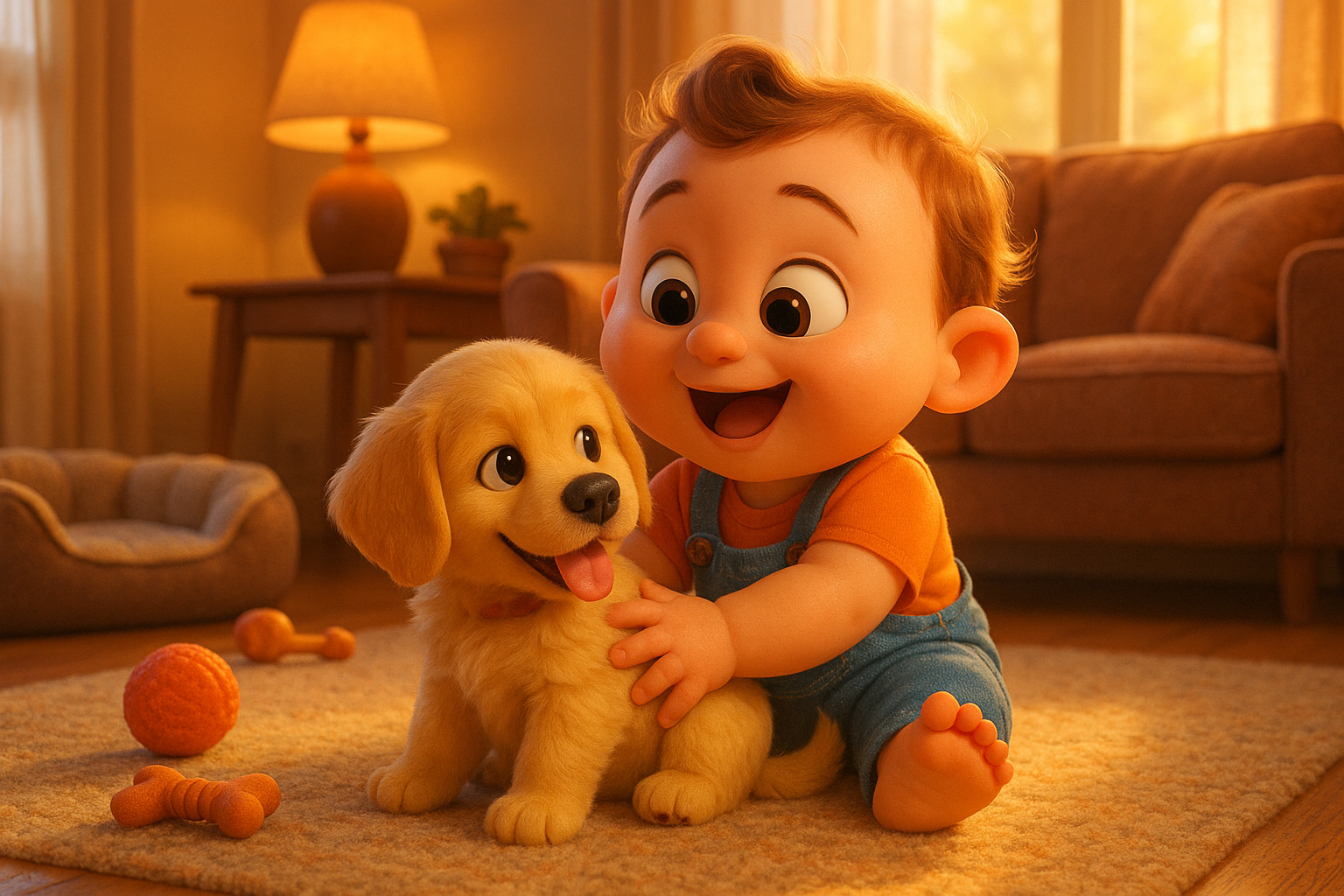
The first twelve months with a puppy are unlike any other stage of their life. In a single year, a wobbly, sleepy eight-week-old will grow into a fully formed dog with their own personality, habits, and place in your family. It is a whirlwind of vaccinations, growth spurts, new experiences, and — inevitably — a few chewed-up shoes along the way. Understanding what to expect at each stage helps you meet your puppy’s needs before problems arise, rather than reacting after the fact.
Puppyhood is also the most formative period for behavior and health. The habits your puppy forms in these months — how they greet strangers, how they respond to being handled, how comfortable they are with new sounds and places — will shape the dog they become. At the same time, their bodies are changing rapidly, which means their nutritional needs, vaccination schedule, and even sleep requirements shift from month to month.
It is easy to feel overwhelmed trying to keep track of it all, especially alongside the everyday demands of a new puppy. This is exactly where a tool like CarePet AI can help. The app lets you log vaccinations and set reminders for upcoming boosters, track your puppy’s growth and weight over time, and receive feeding plans that automatically adjust as they grow. If a behavior or health question comes up between vet visits, a chatbot staffed by veterinary professionals is available to help you sort out what is normal and what deserves a closer look.
This guide walks through your puppy’s first year month by month, from the day you bring them home at around eight weeks old through their first birthday. Each stage includes a checklist of what to prioritize, so you always know what is coming next.
Weeks 8-12: Settling In and First Vaccinations
The first few weeks after bringing your puppy home are about building trust and establishing routines. Everything is new to them — the sounds of your household, the texture of your floors, the rhythm of your day — so patience and consistency matter more than perfection during this stage.
Coming Home and House-Training Basics
Set up a designated space with easy access to the outdoors, and take your puppy out frequently — after waking up, after eating, and after play. Reward successful potty breaks immediately with praise or a small treat. Accidents are part of the process; they are not a sign that training is failing.
The First Vet Visit and DHPP Vaccines
Schedule a veterinary exam within the first week of bringing your puppy home. Your vet will check for any underlying health issues and begin, or continue, the core vaccination series, typically starting with the DHPP vaccine around six to eight weeks old, with boosters every three to four weeks until about sixteen weeks.
Opening the Socialization Window
Between roughly three and fourteen weeks of age, puppies are unusually open to new experiences without fear. Once your vet gives the go-ahead, use this window to introduce your puppy — safely and positively — to new people, gentle dogs, and everyday sounds like vacuums or traffic.
- Vet exam: Schedule a full checkup within the first week home to catch any health concerns early.
- First DHPP vaccine: Confirm timing with your vet, typically around six to eight weeks.
- House-training routine: Take your puppy out after waking, eating, and playing, rewarding successes right away.
- Puppy-proof your home: Remove chewing hazards and secure cords, plants, and small objects.
- Crate introduction: Make the crate a positive, comfortable space rather than a punishment.
- Gentle socialization: Begin safe, low-pressure introductions to new people and calm, vaccinated dogs.
- Sleep schedule: Expect frequent naps; young puppies often sleep 18-20 hours a day.
By the end of this stage, your puppy should feel secure in their new home, understand the basics of where to potty, and have started their vaccination series. The relationship you build now sets the tone for everything that follows.
Months 3-4: Socialization and Continued Vaccinations
As your puppy grows more confident, this stage is about widening their world while keeping their health protections on schedule. Socialization and vaccination go hand in hand here — both are about preparing your puppy for a lifetime of confident, healthy living.
Expanding Their World Safely
Continue introducing your puppy to new people, dogs, environments, and sounds, always pairing new experiences with something positive like treats or praise. Puppy classes are an excellent option at this stage, offering structured socialization in a controlled setting.
Second Round of Core Vaccines
Your puppy will typically receive another round of DHPP boosters during this period, continuing the series that started around six to eight weeks. Your vet will confirm the exact schedule based on your puppy’s history and local disease risk.
Starting Basic Obedience
This is a great time to begin foundational cues like sit, stay, and come, using short, positive sessions of five to ten minutes. Puppies at this age have limited attention spans, so frequent, brief practice works better than long sessions.
- Puppy classes: Enroll in a structured class for supervised socialization and basic skills.
- Booster vaccines: Keep the DHPP series on schedule per your vet’s recommendation.
- New experiences: Introduce different surfaces, sounds, and gentle handling weekly.
- Foundational cues: Practice sit, stay, and come in short daily sessions.
- Leash introduction: Start getting your puppy comfortable wearing and walking on a leash indoors.
- Bite inhibition: Redirect nipping to appropriate chew toys consistently.
By four months, your puppy should be showing more comfort in new situations and starting to respond to simple cues — even if they do not always listen. Consistency now pays off in the months ahead.
Months 5-6: Adolescence Begins and Spay/Neuter Considerations
Somewhere around five months, many puppies start to look more like dogs and act a little more like teenagers. Energy levels rise, teething continues, and your puppy may start testing boundaries they previously respected.
The Teething Phase and Rising Energy
Adult teeth typically come in between four and six months, which can trigger a new wave of chewing. Keep a rotating supply of appropriate chew toys on hand, and expect a noticeable jump in energy and curiosity.
Rabies Vaccination Timing
Most puppies receive their rabies vaccine around this stage, though exact timing depends on local regulations and your vet’s recommendation. This is usually given as a separate vaccine from the DHPP series, with a booster required later per local law.
Talking to Your Vet About Spay/Neuter
This is a good time to start a conversation with your veterinarian about spay or neuter timing. Recommendations vary based on breed, size, and individual health, so there is no single right age for every dog — your vet can help you weigh the options.
- Rabies vaccine: Confirm timing with your vet based on local requirements.
- Chew toy rotation: Keep a variety on hand to manage teething discomfort.
- Spay/neuter conversation: Discuss timing and options with your veterinarian.
- Consistent training: Keep reinforcing known cues even as energy and distraction increase.
- Exercise outlets: Add structured play and walks to burn off rising energy safely.
Adolescence can feel like a step backward, but it is a normal part of development. Staying consistent with training and vet care through this stage keeps your puppy on track.
Months 7-9: Managing the Teenage Phase
If your once-obedient puppy suddenly seems to have forgotten everything they learned, you are not alone. The seven-to-nine-month range is notorious among trainers for exactly this kind of regression, and it is rarely a sign that something is wrong.
Why Training Regressions Are Normal
Adolescent dogs are testing their independence and working through hormonal changes, much like human teenagers. Cues that once came easily may suddenly get ignored. Patience, consistency, and returning to short, positive practice sessions usually resolve this within a few weeks.
Continued Socialization and Growing Exercise Needs
Keep exposing your puppy to new environments, and increase physical exercise to match their growing stamina — though always within limits appropriate for their size and breed to protect developing joints. Mental enrichment, like puzzle toys, helps burn energy too.
Adjusting Portions as Growth Slows
Growth rate begins to slow for many puppies during this stage, particularly smaller breeds. Watch your puppy’s body condition and adjust portions as needed to avoid excess weight gain, since a slower growth rate means slightly lower calorie needs than earlier months.
- Patience with regressions: Return to basics and keep training sessions short and positive.
- Increase structured exercise: Match activity to your puppy’s size, breed, and stamina.
- Mental enrichment: Add puzzle toys and scent games to prevent boredom-driven behavior.
- Portion check-in: Reassess food amounts as growth naturally begins to slow.
- Continued exposure: Keep introducing new places and situations to reinforce confidence.
This phase asks for extra patience, but it passes. Puppies who receive consistent guidance through the teenage months tend to emerge with the stable, confident temperament you have been working toward.
Months 10-12: Approaching Adulthood
As your puppy nears their first birthday, many of the pieces come together. Training feels more reliable, energy becomes more predictable, and it is a natural point to look back on how far you have both come.
Transitioning to Adult Food
The right time to switch to adult food varies by breed size — small breeds often mature by nine to twelve months, while large and giant breeds may not be ready until eighteen months or later. Ask your vet for guidance specific to your puppy’s breed and growth pattern.
The First Annual Wellness Exam
Around the one-year mark, schedule a comprehensive wellness exam. Your vet will assess growth, update any remaining booster vaccines, and discuss a preventive care plan for adulthood, including parasite prevention and dental health.
Reflecting on a Year of Training
Take stock of your puppy’s progress — not to judge perfection, but to identify where to keep focusing. Most dogs continue refining obedience and manners well past their first birthday, so ongoing practice remains valuable.
- Annual wellness exam: Schedule a full checkup around your puppy’s first birthday.
- Remaining boosters: Confirm with your vet that all core vaccines are up to date.
- Food transition planning: Discuss adult food timing based on your dog’s breed and size.
- Training review: Identify cues or behaviors that still need reinforcement.
- Preventive care plan: Talk to your vet about parasite prevention and dental care going forward.
Turning one is a milestone worth celebrating. Your puppy is not fully finished growing or learning — some breeds continue developing mentally and physically into their second or third year — but the foundation is set.
Nutrition Through the First Year
Nutrition needs change dramatically over a puppy’s first year. Growing puppies require more calories, protein, and specific nutrients relative to their body weight than adult dogs, which is why puppy-specific formulas are designed differently from adult maintenance food.
Feeding Frequency as Your Puppy Grows
Meal frequency should decrease gradually as your puppy matures. Very young puppies benefit from smaller, more frequent meals to support their fast metabolism and prevent blood sugar dips, while older puppies do well with fewer, larger meals.
- 8-12 weeks: Feed about four small meals spread throughout the day.
- 3-6 months: Reduce to three meals a day as your puppy’s stomach capacity grows.
- 6-12 months: Transition to two meals a day, a schedule many dogs keep for life.
Key Nutrients for Healthy Growth
Look for a puppy formula appropriate to your dog’s expected adult size, since large-breed puppies have different calcium and growth-rate needs than small-breed puppies. Your vet can help confirm the right formula and portion size for your individual dog.
Because these needs shift so often, tracking what and how much your puppy eats — and adjusting as they grow — is one of the more tedious parts of puppyhood to manage by memory alone.
How CarePet AI Supports You Through Puppyhood
Keeping track of vaccines, growth, feeding amounts, and training milestones is a lot to hold in your head during an already busy first year. CarePet AI is built to take that mental load off your plate, so you can focus on enjoying this stage with your puppy:
- Vaccination tracking and reminders: Log each vaccine and get timely alerts before the next one is due.
- Growth and weight tracking: Record your puppy’s weight over time and spot trends early.
- Personalized feeding plans: Get portion and frequency recommendations that automatically adjust as your puppy grows.
- Training resources: Access guidance suited to your puppy’s age and stage of development.
- Vet-staffed chatbot: Ask real-time questions about behavior, health, or anything that seems off.
- Milestone logging: Keep a record of firsts — first walk, first training win, first night sleeping through — all in one place.
With the logistics handled, you can spend more of your energy on the part that actually matters: getting to know your puppy.
A Year of Growth, Together
Looking back at photos from the day you brought your puppy home, it is almost hard to believe how much changes in a single year. The tiny, uncertain puppy who did not know their own name becomes a dog who understands your routines, anticipates your moods, and has fully claimed their spot on the couch — and in your heart.
There will be setbacks along the way — accidents on the rug, a chewed remote, a training session that goes nowhere. None of that erases the progress. Puppyhood is not about getting everything right; it is about showing up consistently, paying attention, and adjusting as you learn what your particular puppy needs.
The bond you build during this first year lays the groundwork for everything that follows. A puppy who felt safe, well cared for, and gently guided through their early months tends to grow into a dog who trusts easily and adapts well to whatever life brings.
For a partner throughout this journey, CarePet AI is there to help you track vaccinations, adjust nutrition, log milestones, and get answers to your questions along the way. Here is to a first year full of growth — for both of you.
