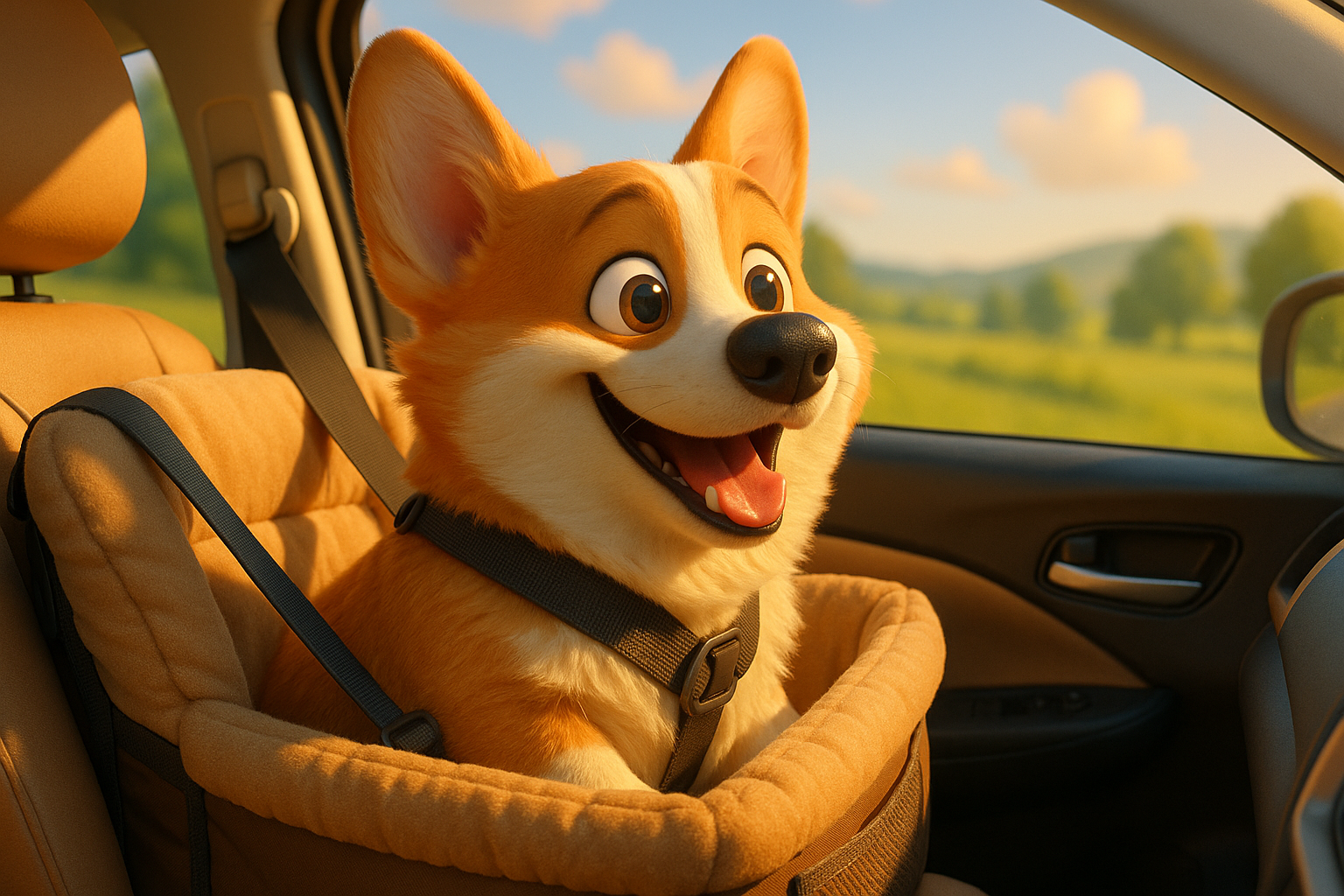
More pet owners are bringing their dogs and cats along for the ride than ever before, whether that means a weekend road trip, a cross-country move, or a flight to visit family.
Pet-friendly hotels, rental cars, and even airline cabins have made it easier to travel together instead of leaving a companion behind.
But bringing a pet along changes the logistics of a trip in ways that are easy to underestimate until you're already on the road.
Safety and preparation make the difference between a trip your pet handles comfortably and one that turns stressful or dangerous. Pets can't tell you they're overheating, anxious, or feeling sick from motion.
A dog or cat that's never traveled before also can't tell you what feels unfamiliar or unsettling about the process, from an unfamiliar carrier to hours of engine noise.
That means the responsibility for anticipating those risks falls entirely on you. A little planning before you leave the driveway goes a long way toward keeping the whole trip smooth.
This guide covers what to do before you go, how to keep your pet safe in the car, what air travel requires, what belongs in a proper travel kit, and how to manage anxiety and motion sickness along the way.
We'll also look at finding pet-friendly places to stay, and how CarePet AI can help you stay organized and prepared no matter where the trip takes you.
None of this is meant to discourage traveling with your pet. For most dogs and cats, a well-planned trip is genuinely enjoyable, and the preparation below is what makes it that way.
Before You Go: Pre-Trip Preparation
The groundwork for a safe trip starts days or even weeks before departure, not the morning you pack the car.
Building in enough lead time gives you room to handle anything that needs attention, from a vet visit to updated paperwork.
- Schedule a vet check-up: A pre-trip exam confirms your pet is healthy enough to travel and gives you a chance to ask about anything specific to your route, such as parasite risks in a new region.
- Update vaccinations: Make sure core vaccines are current, especially if you're crossing state or international borders where proof of vaccination may be required.
- Get a health certificate if needed: Many airlines, states, and countries require a veterinary health certificate issued within a specific window before travel, often 10 days or fewer.
- Confirm microchip information is current: Verify your registered contact details are accurate in case your pet gets lost somewhere unfamiliar.
- Attach ID tags with current information: A physical tag with your phone number is a fast way for someone to reach you, even before a microchip can be scanned.
- Research your destination's pet rules: Some regions have entry requirements, breed restrictions, or quarantine rules that need to be handled well in advance.
- Pack a recent photo of your pet: A clear, current photo makes it much easier to describe or share if your pet ever goes missing during the trip.
Working through this list a week or two ahead, rather than the night before, leaves room to fix anything that comes up, like a delayed health certificate or an expired vaccine booster.
Car Travel Safety
A car ride feels routine, but an unrestrained pet is a genuine safety risk, both for them and for everyone else in the vehicle.
A sudden stop can turn even a small dog into a projectile, and a loose pet can also distract the driver at the worst possible moment.
- Use a crash-tested carrier or harness: Secure your pet in a carrier anchored by a seatbelt, or use a crash-tested harness that clips into the seatbelt system, rather than letting them roam free.
- Never let your pet ride loose in the car: This applies on short errands as much as long road trips. Most incidents happen close to home.
- Stop frequently: Plan breaks roughly every two to three hours for water, a bathroom break, and a chance to stretch, especially on longer drives.
- Never leave a pet alone in a parked car: Temperatures inside a car can climb to dangerous levels within minutes, even on a mild day and even with windows cracked. There is no safe amount of time to leave a pet unattended in a vehicle.
- Keep them in the back seat: Airbags deploying in the front seat can seriously injure a pet in a carrier or harness positioned there.
- Feed lightly before departure: A light meal a few hours before driving, rather than a full one right before, can reduce the chances of car sickness.
Heatstroke from a hot car is one of the most common and most preventable causes of pet death on the road. It deserves to be treated as a hard rule, not a judgment call.
This holds true even for a quick errand. "Just a few minutes" is exactly how these situations tend to start, and cabin temperatures can rise far faster than most people expect.
Air Travel: What to Know
Flying with a pet involves more moving parts than driving, and the rules vary significantly by airline, aircraft type, and destination.
Reading the specifics well ahead of booking will save you from a stressful surprise at check-in.
Calling the airline directly, rather than relying only on the website, is often the fastest way to confirm current pet policies before you commit to a fare.
- Cabin vs. cargo: Small pets that fit in an approved carrier under the seat in front of you can often fly in the cabin; larger pets may need to travel as checked cargo, which carries additional risk and stress.
- Check airline-specific carrier requirements: Airlines have their own size, ventilation, and labeling requirements for carriers, and these can differ even between airlines flying the same route.
- Time your health certificate correctly: Airlines and destinations often require a health certificate issued within a narrow window before departure, so schedule the vet visit accordingly.
- Be aware of breed-related risks in cargo: Brachycephalic, or short-nosed, breeds like Bulldogs, Pugs, and Persian cats face a higher risk of respiratory distress during cargo travel, and some airlines restrict or refuse to transport them in cargo holds.
- Book direct flights when possible: Fewer layovers mean less time in transit and fewer opportunities for delays or mishandling.
- Acclimate your pet to the carrier beforehand: Let your pet spend time in the carrier at home in the weeks before the flight so it feels familiar rather than frightening on travel day.
- Consider whether flying is right for this pet: For a senior pet, a pet with a heart or respiratory condition, or an especially anxious flyer, it's worth discussing the trip with your veterinarian before booking.
Airline policies on pet travel change more often than most other travel rules, so it's worth confirming the current requirements directly with the airline shortly before your trip, not just at the time of booking.
Packing Your Pet's Travel Kit
A well-stocked travel kit means you're not scrambling to find pet supplies in an unfamiliar town.
It also gives your pet a few pieces of home to help them settle into a new environment.
- Food and water: Bring enough of your pet's regular food for the entire trip plus a few extra days, along with a portable water bottle or collapsible bowl.
- Medications: Pack any regular medications with clear labeling, plus a few extra doses in case of delays.
- Familiar bedding or a favorite toy: A blanket or toy that smells like home can be genuinely comforting in a new environment.
- Waste bags and cleanup supplies: Keep these easily accessible for walks, rest stops, and hotel rooms.
- Basic first-aid supplies: Gauze, adhesive tape, tweezers, and a pet-safe antiseptic can handle minor scrapes until you can reach a vet.
- Copies of vaccination and health records: Keep both physical and digital copies on hand in case a hotel, airline, or border checkpoint asks for proof.
- A leash and a backup collar or harness: Having a spare on hand means a broken clasp or lost leash doesn't turn into a bigger problem mid-trip.
Pack the kit in a single, easy-to-reach bag rather than spreading supplies across your luggage. When something comes up quickly, you'll want everything in one place.
Managing Anxiety and Motion Sickness
Some pets take to travel easily, while others find cars or carriers genuinely stressful.
Both anxiety and motion sickness respond well to gradual preparation rather than being addressed for the first time on travel day itself.
In the weeks leading up to a trip, let your pet spend short periods in the car or carrier without going anywhere, gradually building up to brief drives around the block.
Pair these sessions with something your pet already enjoys, like a treat or a favorite toy, so the carrier and the car both start to feel like good news rather than a warning sign.
This kind of desensitization helps decouple the carrier or car from the anxiety of an unfamiliar destination, and it's far more effective when started early rather than the night before departure.
If your pet has a history of motion sickness or significant travel anxiety, talk to your veterinarian about options ahead of time. There are calming aids and anti-nausea medications some vets recommend for travel, but the right choice depends on your individual pet.
Timing meals to avoid a full stomach right before departure can also reduce the likelihood of car sickness.
Watch for early signs of motion sickness, like excessive drooling, lip licking, or restlessness. Catching it early lets you pull over for a short break before it turns into a bigger mess.
Cracking a window slightly for airflow, and positioning the carrier so your pet can see out, can also help some animals feel steadier during the drive.
Finding Pet-Friendly Accommodations
Not every hotel or rental that lists itself as pet-friendly means the same thing by it, so it's worth confirming the details before you book rather than after you arrive.
Some properties welcome pets of any size at no extra charge, while others cap weight limits, restrict certain breeds, or add a cleaning fee.
Book accommodations as early as you can, particularly during peak travel seasons when pet-friendly rooms tend to sell out first.
Call ahead or check the property's policy directly if anything on the listing seems vague. It's a quick step that avoids an awkward conversation at check-in with a tired pet in tow.
Never leave a pet unattended in an unfamiliar hotel room for long stretches, especially early in a stay. A new environment can bring out anxious behaviors, like destructive chewing or excessive barking, that a well-adjusted pet wouldn't show at home.
How CarePet AI Keeps You Prepared on the Road
Travel tends to surface exactly the kind of information that's easy to misplace: which vaccines are current, when the last dose of medication was given, or what a health certificate needs to say.
CarePet AI keeps all of it organized and accessible, wherever the trip takes you.
- Digital vaccination records: Access your pet's vaccination history anywhere, making it easier to secure a health certificate or clear a border checkpoint without digging through paper files.
- Medication reminders that travel with you: Get alerts for doses on the road, so a shifted schedule or new time zone doesn't cause a missed medication.
- Vet-staffed chatbot: Ask questions about a symptom, a travel concern, or whether something warrants a vet visit, even when you're far from your usual clinic.
- Symptom logging on the go: If your pet seems off during the trip, log what you're observing to track patterns and share clear details with a vet if needed.
- All health history in one place: Skip the paper folder. Vaccination records, medications, and past conditions are accessible from your phone at check-in, the airport, or an unfamiliar clinic.
- Pre-trip vet visit reminders: Get a nudge to schedule the pre-travel exam and health certificate with enough lead time to meet airline or border deadlines.
- Weight and activity tracking: Keep an eye on how your pet is handling the trip overall, useful context if appetite or energy shifts once you're away from their usual routine.
Having this information organized before you leave means you're not hunting for it under pressure, whether that's at an airline counter or in an unfamiliar clinic's waiting room.
Ready for Adventure
Traveling with a pet takes more planning than traveling alone, but for most owners, the extra effort is worth it many times over.
There's something genuinely rewarding about sharing new places with the companion who's usually waiting at home: a hike in unfamiliar mountains, a walk through a new neighborhood, or a long car ride with a head resting on your lap somewhere past the state line.
The preparation covered here, the vet visits, the right carrier, the packed kit, the gradual acclimation, isn't about eliminating every risk.
It's about stacking the odds in your favor so that when something unexpected does come up, you're ready for it instead of caught off guard.
Start small if you and your pet are new to traveling together. A short overnight trip close to home can reveal how they handle a new environment before you commit to a longer journey.
Wherever the road, the runway, or the trail leads next, a little groundwork now means more time enjoying the trip together and less time worrying about the details.
That's really what good preparation buys you: fewer surprises, and more of the moments you took the trip for in the first place.
