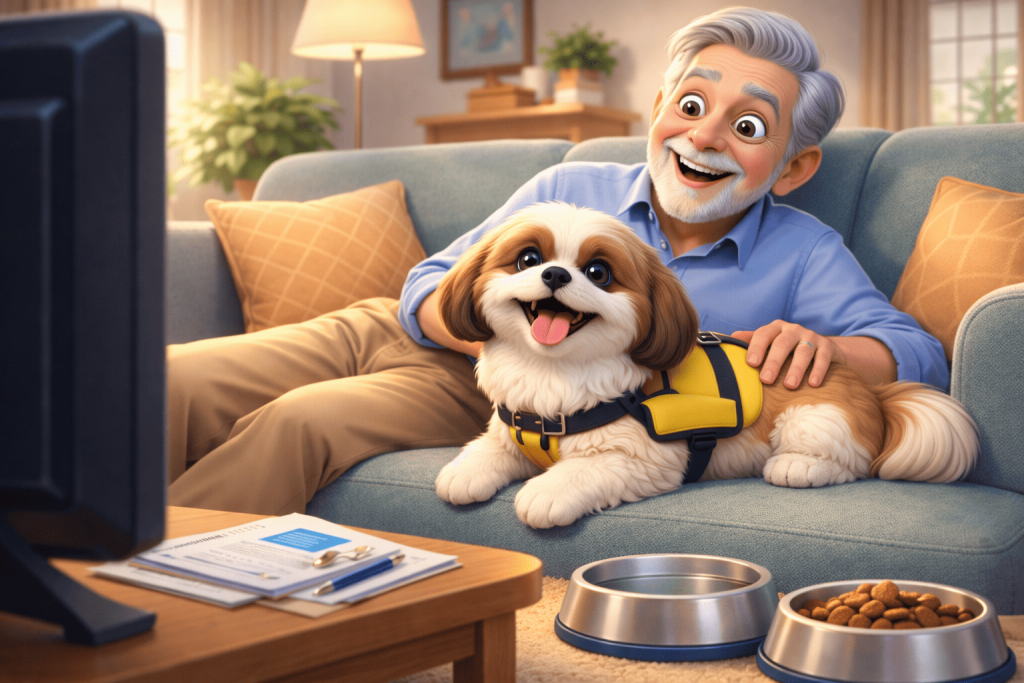
The Shih Tzu, with its regal bearing, flowing silky coat, and amiable disposition, has been a cherished companion for centuries. Bred as royal lapdogs in ancient Chinese palaces, this affectionate toy breed packages dignity, charm, and a surprisingly sturdy nature into a small, luxurious frame. As a quintessential companion dog, the “Chrysanthemum-Faced Dog” excels as a devoted family member, charming apartment dweller, and gentle friend to all.
However, their distinctive anatomy and luxurious coat come with a unique set of care requirements that every owner must prioritize. From essential **Shih Tzu vaccination** protocols to specialized grooming and respiratory care, proactive, comprehensive management is the key to ensuring this noble little dog lives a long, healthy, and contented life. This guide serves as your ultimate resource for navigating the rewarding responsibility of Shih Tzu ownership.
For personalized health tracking and expert resources, visit our all-in-one pet care platform at CarePet.ai.
Owning a Shih Tzu is a commitment to preserving both beauty and health. Their brachycephalic (flat) face demands special attention, while their long, dense coat requires meticulous upkeep. Understanding the nuances of **Shih Tzu vaccination** schedules, preventive screening, and daily maintenance is not optional—it’s foundational to their well-being.
This guide will walk you through every critical aspect, empowering you to be the best possible advocate for your imperial companion. For continuous support and breed-specific insights, explore our regularly updated library of articles on the CarePet Blog, where we delve into topics from behavioral training to advanced canine medicine.
Understanding the Shih Tzu: Breed Profile and Health Predispositions
To care for a Shih Tzu effectively, one must first appreciate their imperial heritage and unique characteristics. Bred exclusively for companionship, they are known for their outgoing, friendly, and trusting nature. They typically thrive on human interaction and are remarkably adaptable to various living situations.
Shih Tzus are characterized by their sweet, affectionate temperament and gentle demeanor. They are intelligent but can have an independent streak, often responding best to positive, reward-based training. Their most iconic feature—the long, flowing double coat—serves as a badge of honor but requires dedicated grooming.
Crucially for healthcare planning, Shih Tzus are predisposed to certain genetic and conformation-related health conditions that informed owners must monitor:
- Brachycephalic Obstructive Airway Syndrome (BOAS): Due to their short muzzle, they can suffer from narrowed nostrils, elongated soft palate, and tracheal issues, leading to breathing difficulties, especially in heat or during exertion.
- Eye Problems: Their large, prominent eyes are prone to corneal ulcers, dry eye (KCS), progressive retinal atrophy (PRA), and proptosis (eye dislocation from trauma).
- Dental Crowding and Disease: Their small, short jaw often leads to overcrowded and misaligned teeth, accelerating tartar buildup and periodontal disease.
- Orthopedic Issues: Including hip dysplasia and patellar luxation (slipping kneecaps), though less common than in some other toy breeds.
- Ear Infections: Their floppy ears and hair growth in the ear canal create a warm, moist environment conducive to yeast and bacterial infections.
- Skin Allergies and Dermatitis: Sensitive skin can lead to allergies, hot spots, and irritation, particularly if the coat is not kept clean and dry.
- Renal Dysplasia: A genetic kidney condition that can affect some lines.
This list underscores why a proactive, preventive approach, beginning with a robust **Shih Tzu vaccination** plan and extending to meticulous daily care, is non-negotiable for this beloved breed. For reliable information on genetic health screening, reputable breeders often utilize the Orthopedic Foundation for Animals (OFA) database.
The Foundation of Prevention: Vaccination in Shih Tzu Healthcare
Vaccinations are the first and most critical line of defense in your Shih Tzu’s healthcare regimen. The term **Shih Tzu vaccination** refers to a meticulously timed series of immunizations designed to protect against debilitating and often fatal viral and bacterial diseases. For a companionable breed like the Shih Tzu, who may visit groomers, dog-friendly cafes, and family homes, this protection is about safeguarding their social and engaging lifestyle.
Vaccinations serve several vital functions for Shih Tzus: **Lifesaving Immunity** against viruses with high mortality rates; **Socialization Security** enabling safe interaction during critical developmental periods; **Public Health Duty** through rabies law compliance; and **Breed-Specific Safeguarding** to prevent respiratory infections that could severely exacerbate underlying BOAS symptoms.
The immunization process introduces safe versions of pathogens, training the immune system to recognize and combat them in the future. Given their size and potential sensitivity, it’s essential that Shih Tzus receive age- and weight-appropriate doses from a veterinarian. Always discuss any concerns about vaccine reactions with your vet. A tailored **Shih Tzu vaccination** plan is the cornerstone of responsible ownership.
For science-backed guidelines on canine immunization schedules, the American Veterinary Medical Association (AVMA) is an authoritative resource.
Core Vaccines: Non-Negotiable Protection for Every Shih Tzu
Core vaccines are recommended for all dogs, irrespective of lifestyle, due to the severity and transmissibility of the diseases they prevent. For Shih Tzus, these are essential:
Canine Parvovirus: Causes severe, often fatal gastrointestinal illness. Puppies and small dogs are particularly vulnerable due to rapid dehydration.
Canine Distemper Virus: A highly contagious and serious virus that attacks multiple body systems, including respiratory and nervous, often with fatal outcomes.
Canine Adenovirus-2 (CAV-2): Protects against infectious canine hepatitis (CAV-1) and is part of the defense against respiratory infections.
Rabies Virus: A fatal zoonotic disease that attacks the nervous system. Vaccination is legally mandated and a critical component of responsible pet ownership.
These core vaccines are typically administered as a combination shot (DHPP or DAPP) starting at 6-8 weeks of age, with boosters every 3-4 weeks until 16 weeks old.
Non-Core Vaccines: Tailored Protection Based on Lifestyle
Non-core vaccines are recommended based on individual risk assessment. Your veterinarian will help determine which are right for your Shih Tzu’s lifestyle:
Bordetella bronchiseptica (Kennel Cough): Highly recommended for any Shih Tzu that is groomed, attends daycare, or visits boarding facilities. Respiratory infections can be harsh on brachycephalic breeds.
Leptospirosis: A bacterial disease spread through contaminated water. Consider if your Shih Tzu has access to ponds, puddles, or areas frequented by wildlife. This is a zoonotic disease.
Canine Influenza: Recommended for social Shih Tzus in areas where dog flu is prevalent or if they frequent dog parks, shows, or daycare.
Lyme Disease: Considered for dogs in tick-endemic areas who go on walks in grassy or wooded places. Consistent tick prevention is paramount.
When planning your **Shih Tzu vaccination** strategy, a honest discussion about your dog’s habits is key. Our CarePet Services include lifestyle profiling tools to help you and your vet make these important decisions.
Crafting the Optimal Vaccination Schedule for Your Shih Tzu
A structured schedule ensures immunity develops safely and effectively. The following is a general guideline; your veterinarian will customize it based on local disease risks and your puppy’s health.
Shih Tzu Puppy Vaccination Schedule (First Year)
| Age | Vaccinations | Breed-Specific Notes |
|---|---|---|
| 6-8 weeks | First DHPP | Monitor for mild lethargy. Keep puppy comfortable and avoid stress after the visit. |
| 10-12 weeks | Second DHPP, First Bordetella, Leptospirosis (if recommended) | Socialization is crucial. Ensure vaccines are current before safe, controlled exposures to new people and environments. |
| 14-16 weeks | Third DHPP, First Rabies (as per law), Final non-core vaccines | Critical final puppy booster. Avoid dog parks and other high-risk areas until 1-2 weeks after. |
| 12-16 months | DHPP Booster, Rabies Booster, Non-core boosters | Transition to the adult schedule. Ideal time for a thorough health exam, including eye and airway check. |
Adult Shih Tzu Vaccination Schedule
After the first-year boosters, the schedule simplifies but remains vital:
- DHPP: Boostered every 3 years.
- Rabies: Boostered every 1-3 years, as required by local law and vaccine type.
- Bordetella & Leptospirosis: Typically require annual boosters for continued protection.
- Canine Influenza & Lyme: Annual boosters if initially recommended.
Each vaccination visit is a prime opportunity for a thorough wellness exam. For Shih Tzus, this should include checking eye health, listening for respiratory sounds, evaluating nostril openness, and assessing dental health—a constant priority. To effortlessly manage your Shih Tzu’s health timeline, utilize the tracking tools available through CarePet for Pet Owners.
Beyond the Needle: Holistic Care for a Thriving Shih Tzu
While **Shih Tzu vaccination** is the shield against infectious disease, comprehensive care is what builds a resilient, happy dog. This involves addressing their unique grooming, nutritional, exercise, and comfort needs.
Grooming as Essential Healthcare
A Shih Tzu’s coat is a defining feature that demands rigorous upkeep to prevent health issues:
- Daily Brushing: Essential to prevent severe matting, which can pull skin, cause pain, and harbor moisture leading to skin infections. Use a slicker brush and metal comb.
- Regular Bathing: Every 2-4 weeks with a gentle, high-quality dog shampoo and conditioner. Keep the face meticulously clean and dry to prevent “tear stains” and skin fold dermatitis.
- Face Care: Clean around the eyes daily with a soft, damp cloth. Keep the hair on the head tied up in a “top knot” to prevent eye irritation.
- Professional Grooming: Every 4-6 weeks for a haircut (whether a show trim or a practical “puppy cut”), nail trim, ear cleaning, and anal gland expression.
- Dental Care: Aim for daily tooth brushing. Their crowded mouths make them exceptionally prone to periodontal disease, which can affect heart and kidney health.
Nutrition: Fueling a Royal Companion
Shih Tzus can be picky eaters and have specific needs:
- Puppy Food: High-quality small-breed puppy formula with small, easy-to-chew kibble. Feed 3-4 meals daily to maintain energy.
- Adult Food (1 year+): Premium small-breed adult formula. Look for ingredients that support skin/coat health (Omega-3/6) and joint health. Avoid overfeeding to prevent obesity.
- Senior Food (8-10 years+): Formula with adjusted calories, enhanced joint support, and nutrients for cognitive health.
Critical Considerations:
- Portion Control: Obesity stresses joints, exacerbates breathing problems, and reduces lifespan. Measure food carefully and limit treats.
- Brachycephalic Feeding: Use a shallow, wide bowl. Some may benefit from a slow-feeder to prevent gulping air, which can lead to bloat or GI discomfort.
- Hydration: Ensure fresh water is always available, especially important for kidney health and to aid digestion.
For tailored feeding advice, consult our nutrition guides in the CarePet Nutrition Hub.
Exercise and Environmental Safety
Shih Tzus are moderately active but their exercise must be managed with their anatomy in mind:
- Physical Exercise: 20-30 minutes of gentle walking or indoor play daily, broken into shorter sessions in hot or humid weather. Always be vigilant for signs of overheating: excessive panting, slowing down, red gums.
- Mental Stimulation: Short training sessions, puzzle toys, and scent games keep their minds sharp and prevent boredom.
- Safety First: Always use a harness, never a collar, to avoid pressure on their delicate trachea. Protect their eyes from injury by keeping them clear of low branches and rough play.
Discover enrichment ideas and training tips in our CarePet Blog archives.
Advanced Preventive Care and Monitoring
Proactive screening catches breed-specific issues early, when they are most manageable.
Essential Health Screenings
- Annual Veterinary Exams: More than just shots. Include a thorough respiratory assessment, eye examination (including tear production test), dental evaluation, and ear check.
- Dental X-rays: Crucial during professional cleanings to assess the health of tooth roots and jawbone, where disease often hides.
- Blood Work: Annual senior panels starting at age 7-8 to monitor kidney, liver, and thyroid function.
- Ophthalmic Exam: Regular checks by a veterinarian for early signs of hereditary eye conditions.
Weight and Body Condition
Maintain a lean physique. You should be able to easily feel their ribs with a slight fat covering. Extra weight dramatically worsens breathing problems and joint stress.
Recognizing and Responding to Common Shih Tzu Health Issues
Even with perfect care, be vigilant for signs of common problems:
- BOAS Symptoms: Noisy breathing (especially on inhalation), snoring, intolerance to exercise or heat, gagging, or blue-tinged gums. Emergency: Seek immediate vet care for severe respiratory distress.
- Eye Injury or Ulcer: Squinting, excessive tearing, redness, cloudiness, or pawing at the eye. Treat as an emergency.
- Ear Infection: Head shaking, scratching at ears, odor, redness, or discharge.
- Dental Disease: Bad breath, reluctance to eat, drooling, or visible tartar on teeth.
Never hesitate to contact your veterinarian if you notice anything unusual. With their unique anatomy, prompt attention is key.
Caring for the Shih Tzu Puppy and Senior
Puppy Phase (0-1 Year)
- Socialization: Gently expose them to a wide variety of people, sounds, and experiences (after initial vaccines) to build a confident adult.
- Grooming Acclimation: Start handling paws, face, and mouth daily from day one to make lifelong grooming easier.
- House Training: Can be challenging due to their small size. Extreme consistency, frequent trips outside, and positive reinforcement are essential.
Senior Phase (10+ Years)
- Increased Veterinary Care: Biannual check-ups are recommended to monitor age-related changes.
- Comfort Modifications: Provide orthopedic beds, ramps to avoid jumping, and keep the home warm as they are sensitive to cold.
- Cognitive Support: Continue gentle mental games. Watch for signs of canine cognitive dysfunction (disorientation, changes in sleep-wake cycles, house soiling).
- Dietary Adjustments: Transition to a high-quality senior formula as recommended by your vet to support aging kidneys and joints.
The Ultimate Commitment: A Lifetime of Regal Care
Welcoming a Shih Tzu into your life is to invite in a living piece of history wrapped in silk and devotion. Their gentle nature and unwavering companionship are gifts to be treasured. By committing to a comprehensive care plan—anchored by timely **Shih Tzu vaccination**, sustained by impeccable grooming and nutrition, and enhanced by vigilant observation of their unique needs—you do more than ensure their health.
You honor their royal legacy and secure the foundation for a long, dignified, and joyful life together. The bond with a Shih Tzu is one of mutual affection and serene companionship. They are lap warmers, gentle clowns, and steadfast friends. Your attentive, loving care is the greatest tribute to their spirit, repaying their devotion with the promise of comfort, health, and happiness throughout their entire journey.
For a partner in this rewarding journey, leverage the tools, community, and expertise available through CarePet for Pet Owners. Together, we can ensure your imperial Shih Tzu lives not just a long life, but the best life possible.