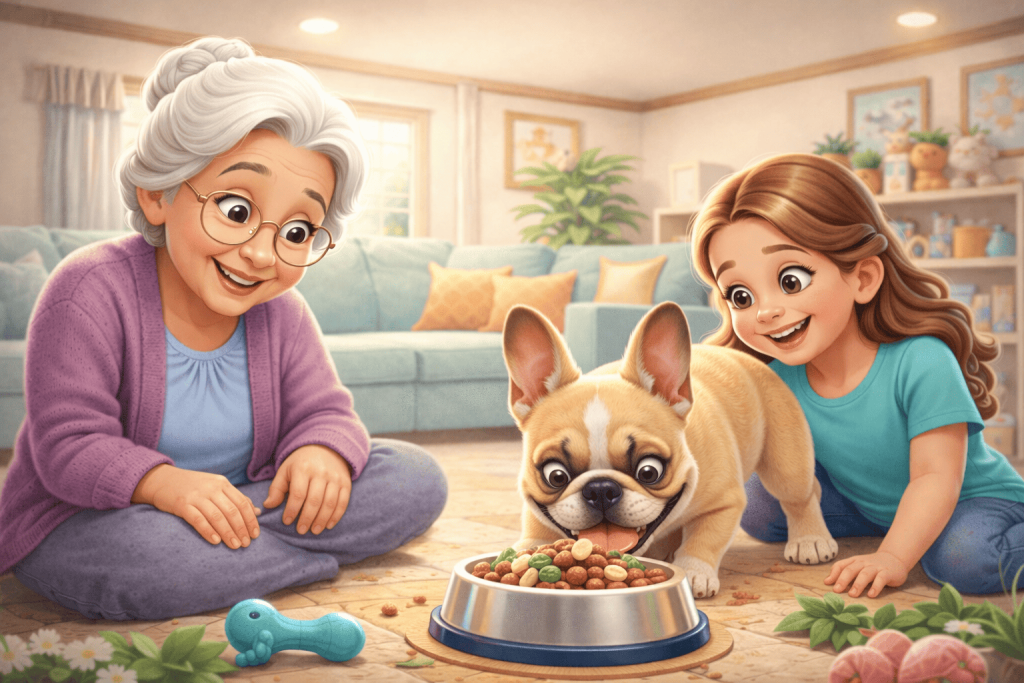
The French Bulldog, affectionately known as the “Frenchie,” has skyrocketed in popularity to become one of the most beloved companion breeds worldwide. With their distinctive bat-like ears, compact muscular build, and charming personality, these small-statured dogs have captured hearts across continents.
However, their unique physical characteristics and genetic makeup come with specialized care requirements that every potential owner must understand. This comprehensive guide explores everything from essential **French Bulldog vaccination** protocols to holistic care strategies that ensure your Frenchie thrives throughout every life stage.
For additional resources and personalized guidance, visit our comprehensive pet care platform at CarePet.ai.
French Bulldogs possess a distinctive combination of brachycephalic features and robust personality that demands specialized attention. Their unique respiratory system, sensitive skin, and specific genetic predispositions necessitate a proactive approach to healthcare. Understanding the intricacies of **French Bulldog vaccination** schedules, temperature-sensitive needs, and preventive care can significantly impact your dog’s quality of life and longevity. This guide serves as your definitive resource for navigating the rewarding journey of French Bulldog ownership.
For ongoing support and additional breed-specific information, explore our curated content on the CarePet Blog, where we regularly publish expert-vetted articles on canine health, behavior, and wellness.
Understanding the French Bulldog: Breed Characteristics and Health Considerations
Before delving into specific care protocols, it’s crucial to understand what makes the French Bulldog unique. Originally developed in England as miniature bulldogs and later perfected in France, these dogs evolved into perfect companion animals known for their adaptability to apartment living and strong bonding with families. Their moderate energy levels and relatively small size (typically 11-13 inches at the shoulder) make them suitable for various living situations.
French Bulldogs typically weigh between 16-28 pounds, with a sturdy, compact build that belies their small stature. They possess a short, smooth coat that comes in various colors including brindle, fawn, white, and combinations. Their most distinctive feature—the flat, brachycephalic face—requires special attention to respiratory health and temperature regulation.
Perhaps most importantly for healthcare planning, French Bulldogs have specific genetic predispositions that informed owners should recognize:
- Brachycephalic Airway Syndrome: Respiratory challenges due to shortened airways
- Heat Intolerance: Difficulty regulating body temperature in warm conditions
- Spinal Issues: Hemivertebrae and intervertebral disc disease
- Skin Fold Dermatitis: Infections in facial and body skin folds
- Allergies and Food Sensitivities: Common skin and digestive reactions
- Eye Conditions: Cherry eye, dry eye, and corneal ulcers
These breed-specific concerns underscore why a proactive healthcare approach, beginning with proper **French Bulldog vaccination** and extending to comprehensive preventive care, is essential for this charming breed. For more detailed information on genetic health testing, consult the Orthopedic Foundation for Animals (OFA) database.
The Critical Role of Vaccination in French Bulldog Health
Vaccinations represent the cornerstone of preventive healthcare for French Bulldogs, providing protection against potentially fatal diseases. The term **French Bulldog vaccination** encompasses a carefully timed series of immunizations that begin in puppyhood and continue throughout adulthood. These medical interventions are particularly important for Frenchies, whose respiratory challenges can make recovering from preventable diseases more complicated.
For French Bulldogs, vaccinations serve multiple vital functions:
- Disease Prevention: Protection against common canine illnesses that could severely impact their respiratory system
- Public Health: Reducing transmission of zoonotic diseases
- Breed-Specific Protection: Addressing known vulnerabilities in the breed
- Respiratory Health Support: Preventing diseases that could exacerbate breathing challenges
The vaccination process works by introducing either weakened or inactivated forms of pathogens, or specific proteins from these organisms, into your dog’s system. This exposure stimulates the production of antibodies and memory cells that provide long-term protection. For French Bulldogs, whose brachycephalic features already present respiratory challenges, protection against respiratory diseases is particularly valuable.
It’s worth noting that French Bulldogs may have sensitive immune systems, and their compact size requires careful dosing considerations. Always discuss your dog’s individual needs with your veterinarian when planning **French Bulldog vaccination** protocols. For additional scientific resources on canine immunology, the American Veterinary Medical Association offers comprehensive guidelines.
Core Vaccines: Essential Protection for Every French Bulldog
Core vaccines are those recommended for all dogs regardless of lifestyle or location. These protect against diseases that are widespread, pose serious health threats, or have public health significance. For French Bulldogs, the core vaccines include:
Canine Distemper Virus: A highly contagious and often fatal viral disease affecting multiple body systems. French Bulldogs with their sensitive respiratory systems are particularly vulnerable to respiratory complications from distemper.
Canine Parvovirus: This virus causes severe vomiting, diarrhea, and dehydration with high mortality rates in unvaccinated dogs. French Bulldog puppies, with their smaller size and potential for rapid dehydration, require timely vaccination.
Canine Adenovirus (Hepatitis): This virus primarily affects the liver but can also impact other organs. Vaccination provides protection against both hepatitis and respiratory forms of the disease.
Rabies: A fatal viral disease that can transmit to humans, rabies vaccination is legally required in most regions. French Bulldogs, often serving as companion animals in public spaces, benefit from this protection.
These core vaccines typically begin between 6-8 weeks of age, with boosters administered every 3-4 weeks until the puppy reaches 16 weeks. Adult dogs require regular boosters according to veterinary recommendations and local regulations.
Non-Core Vaccines: Tailored Protection Based on Lifestyle
Non-core vaccines are administered based on a French Bulldog’s individual risk factors, including geographic location, lifestyle, and specific activities. Your veterinarian can help determine which of these additional protections your dog might need:
Bordetella bronchiseptica (Kennel Cough): Particularly important for French Bulldogs who socialize with other dogs, attend daycare, or visit grooming facilities. Their brachycephalic anatomy makes them more susceptible to respiratory infections.
Leptospirosis: A bacterial disease that can spread to humans, leptospirosis vaccination is increasingly recommended for dogs with any outdoor exposure. Urban French Bulldogs who walk in parks should consider this protection.
Canine Influenza: Recommended for social dogs in areas where outbreaks occur. French Bulldogs participating in dog-friendly events or visiting dog parks may benefit from this additional protection.
Lyme Disease: Important for French Bulldogs in tick-endemic areas, though their typically urban lifestyle may reduce this need.
When discussing non-core vaccines with your veterinarian, consider your French Bulldog’s specific lifestyle factors. Our CarePet Services include lifestyle assessment tools to help you make informed decisions about your dog’s healthcare needs.
Creating a Comprehensive Vaccination Schedule for Your French Bulldog
A well-planned vaccination schedule is essential for ensuring your French Bulldog develops proper immunity without overwhelming their system. The following timeline represents a typical schedule, though your veterinarian may adjust based on your dog’s specific needs and local disease prevalence:
Puppy Vaccination Schedule (First Year)
| Age | Vaccinations | Notes |
|---|---|---|
| 6-8 weeks | Distemper, Parvovirus | First DHPP (combination vaccine) |
| 10-12 weeks | DHPP, Leptospirosis, Bordetella | Add lifestyle-based vaccines; monitor for breathing issues |
| 14-16 weeks | DHPP, Rabies | Final puppy boosters; rabies as required by law |
| 12-16 months | DHPP, Rabies, Non-core boosters | First adult vaccination series |
Adult Vaccination Schedule
After the first year, most core vaccines transition to a three-year schedule, while some non-core vaccines require annual boosters. Your veterinarian will provide specific recommendations based on vaccine types, your dog’s health status, and local regulations:
- DHPP: Every 3 years after the first annual booster
- Rabies: Every 1-3 years depending on vaccine type and local laws
- Bordetella: Every 6-12 months based on exposure risk
- Leptospirosis: Annually for continued protection
- Canine Influenza: Annually if recommended for your dog’s lifestyle
Regular veterinary check-ups accompanying vaccinations provide opportunities to monitor your French Bulldog’s overall health, discuss emerging concerns, and adjust care strategies as needed. These visits are perfect moments to address breed-specific issues like respiratory health, weight management, and skin fold maintenance.
For help tracking your French Bulldog’s vaccination schedule and health records, explore our digital tools available through CarePet for Pet Owners.
Beyond Vaccination: Comprehensive Care for Your French Bulldog
While **French Bulldog vaccination** forms a critical foundation for health, comprehensive care extends far beyond immunizations. French Bulldogs thrive when their physical, mental, and emotional needs are consistently met through thoughtful husbandry practices that account for their unique characteristics.
Nutritional Requirements for Optimal Health
French Bulldogs have specific nutritional needs that must address their tendency toward obesity, food sensitivities, and digestive issues:
Puppy Nutrition (2-12 months): French Bulldog puppies require high-quality puppy formulas designed for small breeds with moderate growth rates. Look for foods with appropriate protein levels (22-26%) and controlled calcium to support steady, healthy development.
Adult Maintenance (1-7 years): High-quality adult dog food with moderate protein and controlled fat levels helps prevent obesity. Foods with joint support nutrients and limited ingredients can help manage common sensitivities.
Senior Formulas (7+ years): As French Bulldogs age, their metabolic needs change. Senior formulas typically feature reduced calories, enhanced joint support, and ingredients that support cognitive function.
Key nutritional considerations for French Bulldogs include:
- Weight Management: Controlled calories to prevent obesity
- Limited Ingredient Options: For dogs with food sensitivities
- Joint Support Nutrients: Glucosamine and chondroitin for spinal health
- Digestive Health: Prebiotics and probiotics for sensitive stomachs
- Skin and Coat Support: Omega fatty acids for healthy skin
Always consult your veterinarian before making significant dietary changes or adding supplements. For personalized nutrition guidance, our CarePet Nutrition Hub offers breed-specific feeding recommendations.
Exercise and Mental Stimulation Requirements
French Bulldogs have moderate exercise needs that must be balanced with their respiratory limitations:
Physical Exercise Needs:
- Puppies (2-6 months): Short, gentle play sessions (3-5 minutes per month of age, twice daily)
- Adolescents (6-18 months): 20-30 minutes of moderate exercise daily, avoiding overheating
- Adults (1.5-7 years): 30-45 minutes of varied exercise daily, including walks and gentle play
- Seniors (7+ years): 20-30 minutes of low-impact exercise, adjusted for arthritis or breathing issues
Mental Stimulation Activities:
French Bulldogs are intelligent dogs who enjoy mental challenges:
- Basic Obedience Training: Short, positive training sessions
- Food Puzzle Toys: Moderate difficulty puzzles that engage their problem-solving skills
- Sniffing Games: Hidden treat games that don’t require excessive physical exertion
- Socialization: Controlled exposure to new environments and friendly dogs
- Rotation of Toys: Keeping engagement high with novel toys
A well-balanced French Bulldog is typically better behaved, healthier, and more content. For activity ideas and training resources, browse our collection of CarePet Blog articles on canine enrichment.
Preventive Healthcare Beyond Vaccination
While **French Bulldog vaccination** protects against infectious diseases, comprehensive preventive care addresses other health threats specific to the breed:
Regular Health Screenings
French Bulldogs benefit from regular health screenings to detect breed-specific issues early:
- Respiratory Assessments: Regular evaluation of breathing function and airway health
- Spinal Evaluations: X-rays to screen for hemivertebrae, typically around 1-2 years old
- Eye Examinations: Regular checks for common Frenchie eye conditions
- Skin Fold Inspections: Regular assessment and cleaning of facial and body folds
- Dental Assessments: Regular evaluations and cleanings to prevent periodontal disease
Parasite Prevention
Consistent parasite control is essential for French Bulldog health:
- Heartworm Prevention: Monthly preventatives year-round
- Flea and Tick Control: Regular application of veterinarian-approved products
- Intestinal Parasite Control: Regular deworming and fecal examinations
Weight Management
Maintaining an ideal weight is crucial for reducing stress on joints and respiratory system:
- Regular weight checks and body condition scoring
- Portion control and measured feeding
- Appropriate treat selection and limitation
- Adjusting food intake based on activity level and life stage
For assistance managing your French Bulldog’s preventive care schedule, our CarePet Services include reminder systems and health tracking tools.
Addressing Common French Bulldog Health Concerns
Despite excellent care, French Bulldogs may develop certain health conditions. Informed owners can recognize early signs and seek prompt veterinary attention:
Respiratory Issues
- Brachycephalic Airway Syndrome: Look for loud breathing, snoring, exercise intolerance, or blue-tinged gums
- Heat Stroke: Recognize excessive panting, bright red gums, weakness, or collapse
- Reverse Sneezing: Notice sudden, noisy inhalations that typically resolve quickly
Skin and Allergy Concerns
- Skin Fold Dermatitis: Observe redness, odor, or discharge in facial or tail folds
- Allergies: Notice itching, paw licking, ear infections, or skin redness
- Hot Spots: Watch for suddenly appearing, moist, red skin lesions
Orthopedic and Neurological Conditions
- Intervertebral Disc Disease: Notice back pain, reluctance to move, or coordination issues
- Hemivertebrae: Observe weakness in hind limbs or difficulty walking
- Luxating Patella: Look for skipping steps or sudden lameness in hind legs
Early intervention often improves outcomes for these conditions. Regular veterinary care and prompt attention to concerning symptoms are essential components of responsible French Bulldog ownership.
Special Considerations for French Bulldog Puppies and Seniors
Puppy-Specific Care
French Bulldog puppies require specialized attention during their development:
- Socialization: Controlled exposure to various people, animals, and environments between 3-16 weeks
- Temperature Management: Careful monitoring to prevent overheating during play
- Feeding Management: Appropriate portion control to prevent rapid growth
- Respiratory Monitoring: Early assessment of breathing patterns and potential issues
Senior Care Considerations
As French Bulldogs age, their needs evolve:
- Mobility Support: Ramps, non-slip surfaces, and joint supplements
- Respiratory Support: Temperature-controlled environments and gentle exercise
- Comfort Measures: Orthopedic beds, easy access to resources, and gentle grooming
- More Frequent Veterinary Visits: Biannual exams instead of annual for early problem detection
Creating a Lifetime of Health and Happiness
Caring for a French Bulldog represents a significant commitment, but one that yields immeasurable rewards in companionship and joy. By implementing a comprehensive care strategy that includes proper **French Bulldog vaccination**, balanced nutrition, appropriate exercise, and regular preventive care, you provide your companion with the foundation for a long, healthy, and happy life.
Remember that each French Bulldog is an individual with unique needs and preferences. Pay attention to your dog’s specific responses to different foods, activities, and environments, and adjust your care approach accordingly. The strong bond you develop through attentive care will enrich both your lives for years to come.
For ongoing support in your French Bulldog journey, explore the resources available through CarePet for Pet Owners, connect with our community of dedicated pet parents, and consult with veterinary professionals who understand the unique qualities of this remarkable breed.
The journey with a French Bulldog is one of mutual growth, learning, and companionship. By investing in their health through comprehensive care, including appropriate **French Bulldog vaccination** protocols, you honor their unique nature while ensuring many joyful years together filled with laughter, snorts, and endless affection.