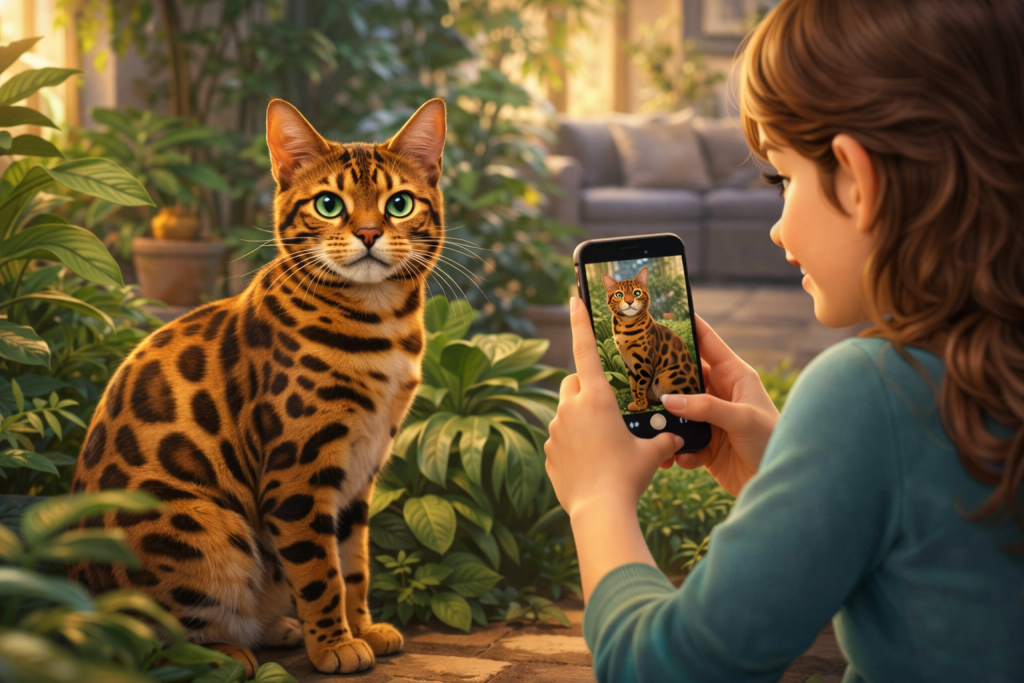
The Bengal cat, with its dazzling, leopard-like spots, muscular build, and untamed, glittering coat, is a living work of art. This exotic and athletic breed, a hybrid developed from crossing domestic cats with the wild Asian leopard cat, carries an undeniable aura of the jungle within a companion-sized frame. Unlike many domestic breeds, the Bengal’s purpose was to capture the wild beauty of its ancestors while maintaining a gentle, domestic temperament. This unique heritage is etched into their DNA, resulting in a cat that is adventurous, intelligent, and bursting with energy.
Today, the Bengal is celebrated worldwide for its striking appearance, dog-like personality, and playful, confident demeanor. However, owning this “domestic leopard” comes with a unique and critical set of health and care considerations. From adhering to a precise Bengal cat vaccination schedule to proactive screening for breed-specific cardiac and digestive conditions, informed and vigilant care is the cornerstone of ensuring a long, high-quality life. This comprehensive guide is your essential roadmap to understanding and meeting every need of your Bengal cat.
For personalized health tracking, vaccination reminders, and AI-driven insights tailored to your Bengal’s active life, discover the innovative tools available at CarePet.ai.
Welcoming a Bengal into your home is an invitation to a life of adventure and endless entertainment, but it is a commitment to a breed with particular vulnerabilities. Their high energy, intelligence, and unique genetic makeup can sometimes mask or predispose them to specific health issues. A science-based approach to their care, beginning with foundational Bengal cat vaccination and extending to lifelong preventive health strategies, is not just advisable—it is a fundamental responsibility for any owner of this extraordinary breed.
This guide will navigate you through every crucial aspect of Bengal stewardship, from the playful and energetic kitten months to the dignified and still-active senior years. For ongoing support and breed-specific insights, delve into our curated resources on the CarePet Blog, where topics range from managing digestive health to providing adequate enrichment for high-energy breeds.
Understanding the Bengal Cat: A Portrait of the Domestic Leopard
To provide exceptional care, one must first understand the Bengal’s unique character and biology. Their most defining trait is their wild appearance, a direct result of their hybridization with the Asian leopard cat (*Prionailurus bengalensis*). This heritage gifted them with their signature spotted or marbled rosettes, often with a glittering sheen, and a surprisingly soft, pelt-like coat. They are one of the few domestic breeds that genuinely love water, often playing in sinks, toilets, or even joining their owners in the shower.
Their personality is as distinctive as their look. Bengals are highly intelligent, athletic, and intensely curious. They are often described as “dog-like” because they can be trained to walk on a leash, play fetch, and learn complex tricks. They are not lap cats in the traditional sense; they are active participants in the household, following their owners from room to room and needing to be involved in everything. Their high energy levels demand significant daily exercise and mental stimulation.
Key Health Predispositions for Bengal Cats:
- Progressive Retinal Atrophy (PRA): An inherited eye disorder that causes the retina to degenerate over time, leading to gradual vision loss and eventual blindness. A specific form, PRA-b, is found in the breed, and responsible breeders screen for it.
- Pyruvate Kinase Deficiency (PK-deficiency): A genetic condition affecting red blood cells, leading to hemolytic anemia. It can cause intermittent lethargy, weakness, and pale gums. Affected cats can often live relatively normal lives with proper management.
- Hypertrophic Cardiomyopathy (HCM): The most common form of heart disease in cats, where the heart muscle thickens. Bengals have a noted breed predisposition, making regular cardiac screening via echocardiogram critical.
- Distal Neuropathy: A rare but serious neurological condition that can affect young Bengals, causing weakness in the hind legs, a wobbly gait, and difficulty jumping. It may be related to a defect in the nerve’s myelin sheath.
- Flat-Chested Kitten Syndrome (FCK): A developmental condition seen in some kittens where the chest flattens, potentially impacting lung and heart function. Mild cases often resolve as the kitten grows.
- Patellar Luxation: A condition where the kneecap slips out of place, causing intermittent lameness, similar to the condition seen in some dog breeds.
- Food Allergies and Sensitive Stomachs: Bengals are notorious for having sensitive digestive systems and can develop food allergies, leading to chronic diarrhea or vomiting. A high-quality, novel protein diet is often necessary.
This list underscores why a proactive, prevention-first health strategy, beginning with a robust Bengal cat vaccination protocol and including regular veterinary screenings, is non-negotiable. Reputable breeders should provide health clearances for PRA-b, PK-deficiency, and HCM from a veterinary cardiologist.
The Shield of Immunity: Vaccination in Bengal Cat Healthcare
Vaccinations form the critical immunological foundation of your Bengal’s lifelong wellness plan. The term Bengal cat vaccination refers to a carefully timed series of immunizations that protect against severe, often fatal, infectious diseases. For an adventurous, curious breed that may accompany you outdoors on a harness or explore a “catio,” this protection is what enables safe engagement with the world.
Vaccinations serve multiple vital functions: Lifesaving Protection against viruses with high mortality rates; Disease Prevention in a Vulnerable Breed—any systemic illness can stress a body and potentially trigger or exacerbate other conditions; Legal and Cattery/Grooming Compliance for cats that are boarded, shown, or groomed; and Public Health Safety through mandatory rabies immunization.
The process introduces a safe antigen, training the immune system to recognize and destroy the actual pathogen in the future. A veterinarian will tailor a Bengal cat vaccination plan, considering your cat’s specific indoor/outdoor status and health. Always discuss the benefits and any potential risks of vaccine reactions, including the rare possibility of injection-site sarcomas, with your vet. This tailored plan is the cornerstone of a healthy start.
For authoritative guidelines on feline immunization, the American Association of Feline Practitioners (AAFP) provides science-based, frequently updated resources for pet owners.
Core Vaccines: Essential Protection for Every Bengal
Core vaccines are recommended for all cats, regardless of lifestyle, due to the ubiquity and severity of the diseases they prevent:
Feline Panleukopenia Virus (FPV): Often called feline distemper, this is a highly contagious and deadly virus causing severe vomiting, diarrhea, and dehydration. It is extremely resilient in the environment.
Feline Herpesvirus-1 (FHV-1) and Feline Calicivirus (FCV): These are the primary causes of upper respiratory infections (URI) in cats—sneezing, nasal discharge, conjunctivitis, and oral ulcers. While not always fatal, they can cause chronic, lifelong symptoms.
Rabies Virus: A fatal zoonotic disease affecting the central nervous system. Vaccination is legally required in most regions and is non-negotiable for public health.
These are typically administered in a combination shot (FVRCP) starting at 6-8 weeks of age.
Non-Core Vaccines: Customized Protection Based on Lifestyle
Non-core vaccines are recommended based on an individual risk assessment. Your veterinarian will help determine which are appropriate for your Bengal:
Feline Leukemia Virus (FeLV): Strongly recommended for kittens and for any Bengal with potential exposure to other cats of unknown status, or those who go outdoors (even in a controlled manner). FeLV suppresses the immune system and leads to anemia, cancer, and secondary infections. It is considered a core vaccine for kittens.
Feline Immunodeficiency Virus (FIV): Considered primarily for cats with a high risk of cat-bite wounds (e.g., free-roaming outdoor cats). It is less commonly recommended for exclusively indoor Bengals.
Bordetella bronchiseptica: May be considered for cats in high-density environments like shelters, catteries, or boarding facilities where respiratory outbreaks can occur.
An honest discussion about your cat’s lifestyle—especially for a Bengal that may accompany you on leashed walks—is key. Tools like the lifestyle assessment in our CarePet Services suite can help you and your vet make informed decisions.
Crafting the Optimal Vaccination Schedule for Your Bengal Cat
A structured schedule ensures immunity develops safely and effectively. The following is a general guideline; your veterinarian will customize it based on local disease risks and your kitten’s health.
Bengal Cat Kitten Vaccination Schedule (First Year)
| Age | Vaccinations | Breed-Specific Notes |
|---|---|---|
| 6-8 weeks | First FVRCP | Kittens are very vulnerable. Monitor for mild lethargy or soreness. Keep them warm and comfortable. This is a good age to begin gentle handling exercises for future grooming and vet visits. |
| 10-12 weeks | Second FVRCP, First FeLV | Critical window for safe socialization. Begin positive, controlled exposures to new people, sounds, and household experiences. Ensure all other pets in the home are vaccinated and healthy. |
| 14-16 weeks | Third FVRCP, Second FeLV, First Rabies (as per law) | Essential final kitten booster to ensure full, lasting immunity. Discuss a 1-year vs. 3-year rabies vaccine with your vet. This visit is an ideal time for a thorough health check, including a baseline cardiac assessment. |
| 12-16 months | FVRCP Booster, Rabies Booster, FeLV Booster | Transition to the adult schedule. A perfect time for a comprehensive wellness exam, including a detailed check for patellar luxation, dental assessment, and discussion about breed-specific genetic screening (PRA-b, PK-def). |
Adult Bengal Cat Vaccination Schedule
After the first-year boosters, the schedule simplifies but remains vital:
- FVRCP: Boostered every 3 years, as recommended by the AAFP guidelines, or annually based on your vet’s assessment.
- Rabies: Boostered every 1-3 years, as strictly required by local law and the vaccine type administered.
- FeLV: For adult cats at continued risk, annual boosters are typically recommended. For indoor-only cats with no exposure, your vet may discontinue after the initial series.
Each vaccination visit is a prime opportunity for a thorough wellness exam. For Bengal cats, this should always include a stethoscope examination of the heart for murmurs, palpation of the knees to check for patellar luxation, and a discussion about their sensitive digestion. To seamlessly manage your Bengal’s complex health timeline, utilize the tracking tools available through CarePet for Pet Owners.
Beyond the Needle: Holistic Care for a Thriving Bengal
While Bengal cat vaccination provides the shield, comprehensive daily care builds a resilient, joyful, and healthy cat. This encompasses their grooming, nutritional needs, environmental enrichment, and mental well-being.
Grooming: Maintaining the Exotic Coat
The Bengal’s coat is short, dense, and surprisingly low-maintenance, thanks to its wild ancestry:
- Minimal Brushing: Aim for weekly brushing with a soft bristle brush or a grooming mitt. This removes dead hair and distributes skin oils. They shed, but far less than many breeds.
- Bathing: Bengals often enjoy water, so bathing is rarely a struggle. Bathe only when necessary with a gentle, cat-specific shampoo. Some owners bathe them occasionally to manage dander.
- Dental Care: Aim for daily tooth brushing with cat-specific toothpaste to prevent periodontal disease.
- Nail Trimming: Regular trimming every 2-3 weeks is essential. Provide plenty of scratching posts to satisfy their natural instinct.
- Ear Care: Check ears weekly for redness or debris. Clean gently with a vet-approved ear cleaner if needed.
Nutrition: Fueling an Athletic Adventurer
Bengals are highly active and have a lean, muscular build. Their diet must be high in quality protein to support their energy levels. Their sensitive stomachs also require careful attention:
- Kitten Food: High-quality, high-protein kitten formula, fed 3-4 times daily to support rapid growth and high energy needs.
- Adult Food (1 year+): Premium, high-protein, grain-free adult cat food. A mix of high-quality wet and dry food is ideal, ensuring adequate hydration. Look for novel proteins (like chicken, turkey, or fish) that agree with their digestion.
- Senior Food (8 years+): Transition to a senior formula that supports kidney health, maintains lean muscle mass, and includes joint support (glucosamine/chondroitin).
Critical Considerations:
- High-Quality Protein: The first ingredient should always be a named protein source. Avoid foods with excessive fillers like corn or wheat, which can trigger digestive issues.
- Measured Meals: Always measure food. Bengals can be food-motivated. Treats should be limited and healthy.
- Monitor for Allergies: Be vigilant for signs of food allergies: chronic diarrhea, vomiting, itchy skin, or excessive grooming.
- Hydration: Encourage water intake with cat water fountains. This is vital for kidney and urinary tract health.
For tailored feeding plans that consider your Bengal’s unique energetic and digestive needs, explore the guidance in our CarePet Nutrition Hub.
Environment, Safety, and Mental Wellbeing
Bengals are intelligent, athletic, and need an environment that challenges them. A bored Bengal can become destructive:
- Mental Stimulation is Non-Negotiable: Provide puzzle toys, interactive feeders, and teach them tricks. They are excellent candidates for clicker training. Daily interactive play sessions are a must. Rotate toys to keep them novel.
- Physical Exercise: They need far more exercise than the average cat. Provide tall, sturdy cat trees, shelves, and “cat superhighways” along the walls. Consider leash training for safe outdoor adventures. A cat wheel can be an excellent investment for indoor Bengals.
- Water Enrichment: Embrace their love of water. A pet water fountain is a must. Some owners provide a shallow tub of water with floating toys for safe play.
- Combatting Loneliness: They form deep bonds and need interaction. If you are away often, consider a feline companion, preferably another active breed. Leaving puzzle toys and engaging videos can also help.
- Safety First: Their intelligence means they can learn to open cabinets and doors. Childproof latches may be necessary. Secure windows and balconies securely. Their curiosity is boundless.
Find more ideas for enrichment and behavioral guidance for your brilliant, active companion on our CarePet Blog.
Advanced Preventive Care and Proactive Monitoring
For Bengal cats, proactive screening is a critical component of their care regimen.
Essential Health Screenings
- Annual Veterinary Exams: These must include a detailed cardiac auscultation, patella evaluation, dental assessment, and weight check.
- Cardiac Ultrasound (Echocardiogram): The gold standard for diagnosing Hypertrophic Cardiomyopathy (HCM). Discuss a baseline scan around age 1-2, with follow-ups every 1-2 years, or as recommended by a veterinary cardiologist.
- Genetic Testing: Responsible breeders test for PRA-b and PK-deficiency. Owners can use these tests to understand their cat’s status and potential future risks.
- Ophthalmic Exams: Regular eye checks by a veterinarian are recommended to screen for Progressive Retinal Atrophy (PRA).
- Annual Bloodwork & Urinalysis: Crucial for monitoring overall organ health, especially as they age.
Weight and Body Condition
Maintaining an ideal, lean weight reduces stress on their heart and joints. Use a body condition score chart. You should be able to easily feel their ribs. Their athletic build should be muscular, not fat. Regular weighing at home can catch gradual gains.
Recognizing and Responding to Common Bengal Health Issues
Early detection is paramount. Be vigilant for these signs:
- Hypertrophic Cardiomyopathy (HCM): Lethargy, increased respiratory rate (especially after play), difficulty breathing, weakness in the hind legs, or collapse. Report any of these to your vet immediately.
- Pyruvate Kinase Deficiency (PK-def): Intermittent lethargy, weakness, pale gums, fast breathing. Symptoms can wax and wane.
- Patellar Luxation: Intermittent skipping or hopping on a hind leg, reluctance to jump.
- Digestive Issues (Allergies/PKD): Chronic diarrhea, vomiting, flatulence, or itchy skin. This is a very common issue in the breed.
- Progressive Retinal Atrophy (PRA): Bumping into furniture, hesitancy in low light, dilated pupils.
- Distal Neuropathy: Wobbly gait, weakness in the hind legs, difficulty jumping in a young kitten.
With their predisposition to serious conditions, never adopt a “wait and see” approach. Prompt veterinary consultation is crucial.
Caring for the Bengal Kitten and Senior
Kitten Phase (0-1 Year)
- Socialization is Key: Expose them positively to various people, handling, carrier training, car rides, harness training, and household noises. A well-socialized Bengal kitten grows into a confident, adaptable adult.
- Acclimate to Grooming: Start nail trimming, ear cleaning, and tooth brushing early and make it a positive, treat-filled experience.
- Establish Routine and Boundaries: Set consistent schedules for feeding, play, and sleep. Provide plenty of appropriate outlets for their energy to prevent destructive behavior.
Senior Phase (8+ Years)
- Increased Veterinary Monitoring: Biannual check-ups, including more frequent cardiac and blood work screenings, are essential.
- Comfort and Warmth: Provide extra-soft, orthopedic beds in warm, quiet areas as arthritis can set in.
- Adapted Exercise: While they often remain active, engage in gentler, lower-impact play sessions. Continue to provide mental stimulation with puzzle toys.
- Quality of Life Focus: Work closely with your vet to manage any chronic conditions like early heart disease, kidney disease, or arthritis with medication, diet, and lifestyle adjustments to maintain comfort and engagement.
The Ultimate Commitment: A Lifetime of Wild Adventure and Devotion
Welcoming a Bengal cat into your life is to invite in a source of constant wonder, boundless energy, and profound companionship. Their wild, captivating gaze and athletic grace reflect a unique trust and deep bond they place in you, their chosen human. By committing to a comprehensive care plan—anchored by timely Bengal cat vaccination, sustained by vigilant health screening, high-quality nutrition, and thoughtful environmental enrichment—you do more than manage their needs.
You honor their unique heritage and actively build the foundation for as many healthy, vibrant, and adventurous years together as possible. The relationship with a Bengal is one of true partnership, a heartwarming bond where your informed, proactive, and loving care is the direct answer to their endless curiosity and devotion.
For a dedicated partner in this rewarding journey, leverage the AI-driven health tracking, expert resources, and supportive community available through CarePet for Pet Owners. Together, we can ensure your extraordinary Bengal cat lives not just a long life, but a full and magnificent one, filled with the adventure, comfort, and love they so richly deserve.
