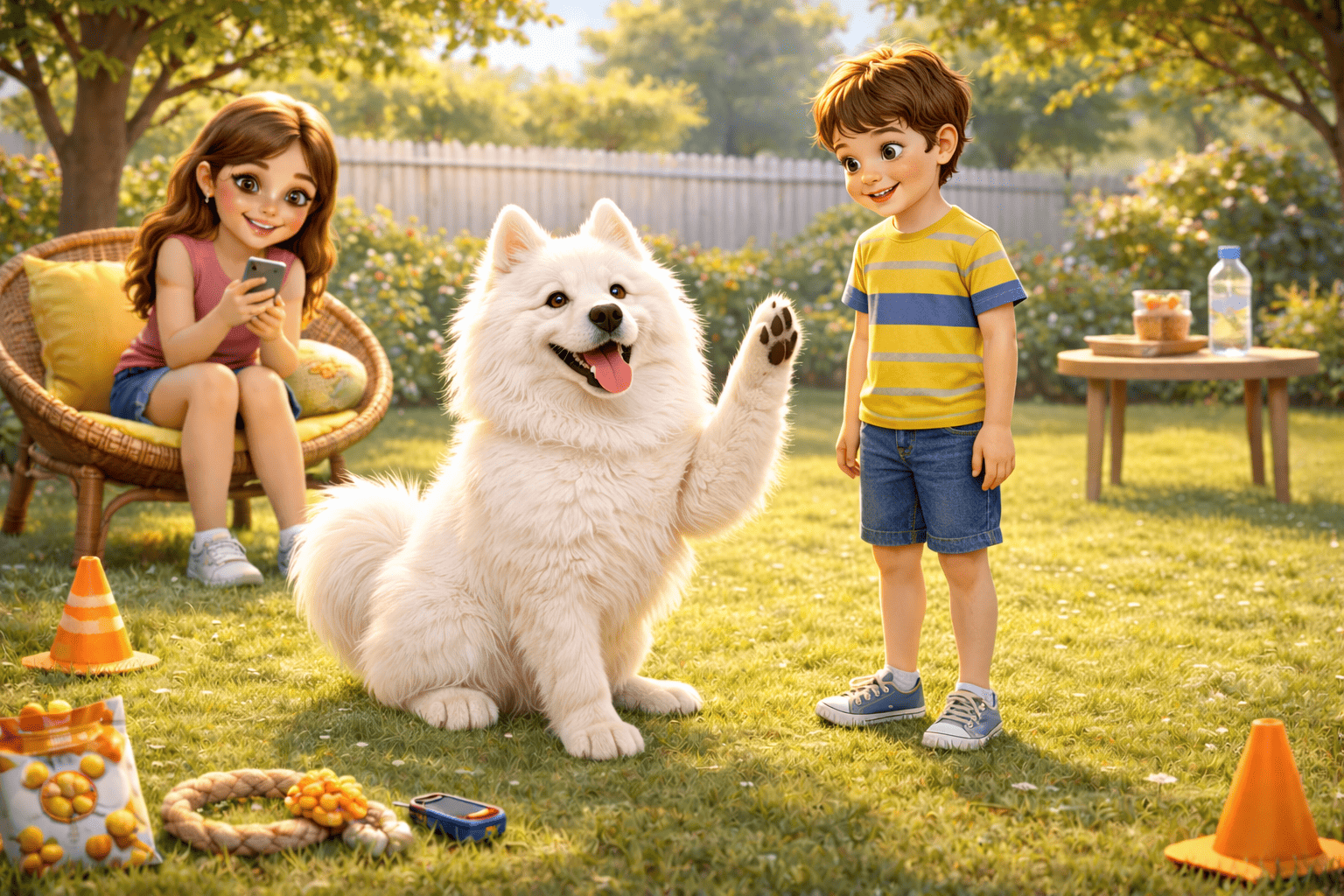
Every pet owner dreams of a harmonious home where their furry companion is not only well-behaved but also happy, confident, and deeply connected. Whether it’s a puppy chewing your favorite shoes, a cat scratching the furniture, or a dog that pulls on the leash, behavioral challenges can test even the most patient of bonds. Yet, beneath these everyday frustrations lies an incredible opportunity: to understand your pet’s mind, communicate effectively, and build a relationship based on trust and mutual respect.
Training is not about dominance or forcing your pet to comply. It is about guidance, consistency, and positive reinforcement. It’s a language you build together, where good habits are celebrated and bad ones are gently redirected. When you invest time in training, you’re not just teaching “sit” or “stay”—you’re creating a framework for your pet to navigate the human world with confidence. This leads to reduced anxiety, fewer behavioral problems, and a deeper bond that enriches both your lives.
Modern technology can be a powerful ally in this journey. CarePet.ai is designed as the first AI tool for your pet, combining smart tracking with personalized guidance. From daily training challenges tailored to your pet’s unique personality to intelligent meal planning and health tracking, it puts a comprehensive toolkit right in your pocket. By integrating consistent training with AI-driven insights, you create a powerful partnership that supports your pet’s mental and physical well-being at every life stage.
This guide will explore effective training techniques, how to address common behavioral issues, and how tools like CarePet.ai can transform the way you connect with your furry family member. For ongoing support and a wealth of species-specific insights, explore the curated resources on the CarePet Blog, where topics range from nutritional advice to behavioral tips for dogs, cats, and other beloved companions.
Why Training Matters: More Than Just Commands
Training is often misunderstood as a way to control a pet, but its true purpose is far more profound. A well-trained pet is a confident pet. When your dog understands what “come” means, they feel secure knowing you’ll guide them. When your cat learns that scratching posts are rewarding, they feel satisfied without damaging your furniture. Training provides structure, and structure reduces anxiety.
Behavioral issues are one of the most common reasons pets end up in shelters. Jumping, barking, aggression, and destructive chewing are often signs of underlying stress, boredom, or confusion. By investing in training, you’re not just solving a nuisance—you’re addressing your pet’s emotional needs. You’re teaching them how to live happily in a human world, which strengthens your bond and ensures they remain a beloved part of your family for life.
Key Benefits of Regular Training:
- Mental Stimulation: Learning new skills keeps your pet’s brain active and prevents boredom-related behaviors.
- Safety: Reliable recall and basic commands can prevent accidents, like running into traffic or eating something dangerous.
- Confidence Building: Mastering new tasks helps shy or anxious pets feel more secure.
- Strengthened Bond: Training sessions are quality time together, building trust and communication.
- Better Socialization: A well-behaved pet is easier to introduce to new people, animals, and environments.
This list underscores why a proactive, training-first approach to behavior is non-negotiable. Reputable sources like the American Veterinary Medical Association (AVMA) provide excellent science-based resources to help you understand these core principles.
Setting the Foundation: Understanding Your Pet’s Mind
Before you can train effectively, you need to understand how your pet learns. Dogs and cats are not humans in furry suits; they perceive the world differently. Dogs are pack animals who thrive on clear communication and consistency. Cats are independent creatures who respond best to motivation rather than coercion. The golden rule for both? Positive reinforcement works wonders.
Positive reinforcement means rewarding desired behaviors so they are more likely to be repeated. Rewards can be treats, praise, play, or anything your pet loves. Punishment-based methods, on the other hand, can create fear and anxiety, damaging your relationship. Instead of focusing on what your pet does wrong, focus on teaching them what you want them to do right. This shift in mindset transforms training from a chore into a joyful interaction.
Start by observing your pet’s natural behaviors and motivations. Is your dog food-motivated? Does your cat go crazy for a feather wand? Use these preferences as your training tools. Short, frequent sessions (5-10 minutes) are far more effective than long, exhausting ones. And always end on a positive note, with a success, to keep your pet eager for the next session.
Digital tools like those found in CarePet Services can help you log and visualize your training progress, making it easy to track which techniques work best for your unique companion. This collaborative approach ensures you’re always building on success.
A Simple Daily Training Checklist
Incorporate these simple practices into your routine. They take only a few minutes but build lasting habits.
- Morning focus: Practice one known command (like “sit”) before breakfast to start the day with success.
- Mealtime manners: Ask for a “wait” before placing the food bowl down, reinforcing impulse control.
- Short training session: Spend 5 minutes teaching or reviewing a new skill, using high-value rewards.
- Capture calmness: Randomly reward your pet when they are lying quietly, reinforcing relaxed behavior.
- Evening review: End the day with a fun game that incorporates learned commands, like “find it” or “touch.”
Daily Training Challenges: Mental Stimulation and Bonding
A healthy pet is not just physically fit but mentally stimulated. Boredom can lead to anxiety, destructive behavior, and even health issues. Daily training and enrichment are essential for keeping your pet’s mind sharp and their behavior on track. But coming up with new, age-appropriate challenges can be time-consuming.
That’s where CarePet.ai transforms your routine. The app offers daily training challenges with a swipeable task view, designed to keep your pet mentally engaged and physically active. These guided challenges are tailored to your pet’s age, breed, personality, and skill level. They’re simple, effective, and fun for both you and your pet. You unlock new challenges each day, track progress, and celebrate achievements together.
Benefits of daily training challenges:
- Step-by-step improvement: Enhance obedience, focus, and behavior gradually.
- Rewarding routine: Turn training into a daily habit that builds confidence and reinforces good habits.
- Strengthen your bond: Shared activities foster trust and deepen your connection.
- Track progress: Celebrate milestones and see how far your pet has come.
Find more ideas for enrichment and behavioral guidance in our CarePet Blog.
Addressing Common Behavioral Challenges
Every pet parent faces behavioral hurdles. The key is to address them with patience and a problem-solving mindset. Here are some common issues and positive approaches to resolve them.
Jumping on People
Dogs often jump to greet people because they’re excited and want face-to-face interaction. The key is to reward only calm greetings. Turn away and ignore your dog when they jump, and only offer attention when all four paws are on the floor. Consistency from everyone in the household is crucial.
Excessive Barking
Barking is natural, but excessive barking usually has an underlying cause—boredom, fear, or alerting. Identify the trigger. If it’s boredom, increase mental and physical exercise. If it’s fear, work on desensitization. Teach a “quiet” command by rewarding moments of silence.
Destructive Chewing
Chewing is normal, especially for puppies. Provide plenty of appropriate chew toys and rotate them to keep interest high. Puppy-proof your home by keeping tempting items (like shoes) out of reach. If you catch your pet chewing something inappropriate, redirect them to a toy and praise them when they take it.
Scratching Furniture (Cats)
Cats scratch to mark territory, stretch, and maintain their claws. Provide appealing scratching posts near the furniture they target. Use catnip or toys to attract them to the post. Never punish scratching; instead, make the furniture less appealing with double-sided tape or citrus scents, and reward use of the post.
Pulling on the Leash
Loose-leash walking takes practice. Stop walking when your dog pulls and only move forward when the leash is slack. Reward frequently for walking beside you. Consider a front-clip harness for better control without discomfort.
Smart Nutrition: Fueling Good Behavior
Believe it or not, nutrition plays a huge role in behavior. A poor diet can lead to energy crashes, irritability, and even aggression. Just as you feel sluggish after junk food, your pet’s mood and focus are directly affected by what they eat.
With CarePet.ai, you can access AI-driven feeding advice customized to your pet’s breed, age, and activity level. The app helps you control calorie intake and nutritional balance effortlessly, thanks to personalized recommendations. You can create tailored daily meal plans, adjust portions based on weight changes and activity fluctuations, and maintain control over your pet’s health with smart insights and easy-to-follow feeding schedules—all designed to support long-term well-being and optimal performance, including mental focus during training.
Key features for nutrition tracking:
- AI-powered meal planning: Receive daily meal plans tailored to your pet’s unique profile.
- Calorie and nutrient balance: Effortlessly monitor intake to prevent obesity and deficiencies.
- Dynamic adjustments: Adapt rations in real time based on changes in weight or activity.
- Long-term wellness focus: Ensure your pet’s diet supports their health at every life stage.
For tailored feeding plans that consider your pet’s unique needs, explore the guidance in our CarePet Nutrition Hub.
Centralized Health Records: Tracking Vaccinations, Conditions, and Allergies
Behavior and health are deeply interconnected. A pet in pain or discomfort is more likely to act out. That’s why maintaining a centralized, easily accessible record of your pet’s medical history is so important. From vaccinations and chronic conditions to allergies and medications, having this information at your fingertips is invaluable—especially when behavioral changes might signal an underlying health issue.
CarePet.ai allows you to securely store and manage all your pet’s health data in one place. You can record vaccinations, track conditions, log allergies, and even set reminders for boosters or preventive treatments. This ensures you never miss a critical date and always have the information you need to advocate for your pet’s health.
Key health management features:
- Vaccination tracking: Log each vaccine and receive reminders for boosters.
- Condition and allergy logging: Keep a detailed record of diagnoses, symptoms, and treatments.
- Medication reminders: Never miss a dose with customizable alerts.
- Vet appointment booking and management: Schedule and manage visits directly through the app.
To seamlessly manage your pet’s complex health timeline, utilize the tracking tools available through CarePet for Pet Owners.
Training Through Life Stages: Adapting Your Approach
Your pet’s training needs evolve as they age. What works for a rambunctious puppy won’t suit a senior cat. Adapting your approach ensures success at every stage.
Puppy and Kitten Phase (0-1 Year)
- Socialization is key: Expose them to a variety of people, animals, and environments positively.
- Bite inhibition: Teach them to control the pressure of their mouths.
- Basic cues: Focus on sit, stay, come, and loose-leash walking.
- House training: Establish a consistent routine and reward successes.
Adult Phase (1-7 Years for Dogs, 1-6 Years for Cats)
- Proofing behaviors: Practice commands in distracting environments.
- Advanced skills: Teach tricks, agility, or scent work to keep them challenged.
- Behavior maintenance: Reinforce good manners regularly to prevent backsliding.
Senior Phase (7+ Years for Dogs, 6+ Years for Cats)
- Adapt to physical changes: If arthritis makes sitting uncomfortable, teach alternatives like targeting.
- Mental stimulation: Use gentle puzzle games to keep their mind sharp.
- Patience and comfort: Focus on maintaining the bond rather than strict obedience.
Recognizing When to Seek Help
While most behavioral issues can be addressed with consistent training, some situations require professional help. If your pet shows aggression (growling, snapping, biting) that causes fear or safety concerns, consult a certified animal behaviorist or trainer immediately. Similarly, sudden behavior changes—like a previously house-trained pet having accidents—could indicate a medical problem and warrant a vet visit.
Daily training empowers you to recognize when something is truly off. Use this list of general signs that warrant a prompt call to your veterinarian or a professional trainer:
- Sudden aggression toward people or animals.
- Severe separation anxiety (destruction, self-harm, excessive vocalization when alone).
- Compulsive behaviors like tail chasing, flank sucking, or pacing.
- Fearful reactions that don’t improve with counter-conditioning.
- Any behavior that poses a safety risk to your pet or others.
Never adopt a “wait and see” approach with these serious signs. Prompt consultation is crucial for the best outcome.
The Partnership: You, Your Pet, and Technology
The ultimate goal of training is to create a seamless partnership between you, your pet, and the tools at your disposal. You are the expert on your pet’s daily life and personality. Your pet is your partner, eager to connect. Technology, like CarePet for Pet Owners, is the bridge that supports this relationship, providing structure, insights, and a way to celebrate progress together.
When you approach training with consistency, positivity, and the support of smart tools, you transform your home into a place of learning and joy. Instead of frustration, you find connection. Instead of chaos, you build understanding.
Welcoming a pet into your life is an invitation to a unique, enriching bond. Their trusting eyes and joyful greetings are a daily reminder of the special place they hold in our hearts. By committing to a daily training routine—anchored by your patient guidance, sustained by positive reinforcement, and enhanced by smart digital tools—you do more than improve behavior. You honor the trust they place in you and actively build the foundation for as many happy, harmonious years together as possible.
For a dedicated partner in this rewarding journey, leverage the AI-driven training challenges, expert resources, and supportive community available through CarePet for Pet Owners. Together, we can ensure your cherished companion thrives—not just at home, but in every aspect of life.
