The Persian cat, with its luxurious flowing coat, expressive round eyes, and serene, almost regal demeanor, is the quintessential symbol of feline elegance and grace. This ancient breed, immortalized in art and adored by royalty, carries itself with a quiet dignity that belies a sweet and gentle nature. Unlike more active breeds, the Persian’s historical and modern purpose has been clear: to be a living masterpiece of beauty and a devoted, tranquil companion. This legacy is woven into their very being, resulting in a cat that is calm, affectionate, and deeply attached to its peaceful home environment.
Today, the Persian remains one of the world’s most popular and recognizable cat breeds, celebrated for its stunning appearance and placid temperament. However, this “aristocrat of the cat world” comes with a unique and demanding set of care requirements. From adhering to a precise Persian cat vaccination schedule to mastering their intensive grooming needs and proactively managing their breed-specific health predispositions, informed and dedicated care is the absolute foundation for ensuring a long, healthy, and comfortable life. This comprehensive guide is your essential roadmap to understanding and expertly meeting every need of your Persian cat.
For personalized health tracking, vaccination reminders, and AI-driven insights tailored to your Persian’s life stage, discover the innovative tools available at CarePet.ai.
Owning a Persian is an invitation to daily beauty and quiet companionship, but it is a commitment to a breed with specific vulnerabilities. Their exquisite physical features, like their brachycephalic (flat) face and long coat, require constant attention. A proactive, science-based approach to their care, beginning with foundational Persian cat vaccination and extending to meticulous daily maintenance and preventive health strategies, is not just a recommendation—it is a fundamental responsibility for any guardian of this special breed.
This guide will navigate you through every critical aspect of Persian stewardship, from the playful kitten months to the dignified senior years. For ongoing support and breed-specific insights, explore our curated resources on the CarePet Blog, where topics range from respiratory health management to advanced grooming techniques.
Understanding the Persian Cat: A Portrait of Beauty and Serenity
To provide exceptional care, one must first understand the Persian’s unique character and history. Originating from the rugged plateaus of Persia (modern-day Iran), these cats were brought to Europe in the 1600s, where their exotic looks captivated aristocrats. Centuries of selective breeding have refined their signature features: the ultra-long coat, large copper or blue eyes, and the distinctive “pansy” face. This heritage gifted them with a supremely calm and sweet-natured disposition: they are quiet, gentle observers who prefer a predictable, serene environment. They form deep bonds with their families but often express affection through quiet presence rather than boisterous play.
Physically, their iconic characteristics dictate non-negotiable care needs. Their magnificent, double-layered coat is a daily commitment to prevent devastating mats. Their brachycephalic facial structure, while endearing, leads to several health considerations. Most importantly, their genetic makeup includes predispositions to specific conditions that responsible owners must understand and monitor vigilantly from the start.
Key Health Predispositions for Persian Cats:
- Brachycephalic Airway Syndrome (BAS): A set of upper airway abnormalities due to their short skull, including stenotic nares (narrow nostrils) and an elongated soft palate. This can cause noisy breathing, snoring, exercise intolerance, and heatstroke susceptibility.
- Polycystic Kidney Disease (PKD): An inherited, progressive condition where fluid-filled cysts develop in the kidneys, eventually leading to kidney failure. Reputable breeders test for this via genetic or ultrasound screening.
- Progressive Retinal Atrophy (PRA): A group of genetic diseases causing gradual degeneration of the retina, leading to blindness. Genetic testing is available.
- Feline Hypertrophic Cardiomyopathy (HCM): The most common heart disease in cats, involving thickening of the heart muscle. Persians are among the breeds with a higher incidence.
- Dental Malocclusions & Disease: Their shortened jaw can lead to crowded, misaligned teeth (malocclusion), accelerating plaque buildup and severe periodontal disease.
- Excessive Tearing (Epiphora): Shallow eye sockets and shortened tear ducts cause tears to overflow, staining the facial fur and requiring daily cleaning to prevent skin infections.
- Heat Sensitivity: Due to their dense coat and compromised airways, Persians are extremely prone to overheating and heatstroke.
This list underscores why a proactive, prevention-first health strategy, beginning with a robust Persian cat vaccination protocol and including genetic screening and regular veterinary checks, is essential. Reputable breeders should provide health clearances from organizations like the Orthopedic Foundation for Animals (OFA) for PKD (via DNA test or ultrasound) and HCM (via echocardiogram).
The Shield of Immunity: Vaccination in Persian Cat Healthcare
Vaccinations form the critical immunological foundation of your Persian’s lifelong wellness plan. The term Persian cat vaccination refers to a carefully timed series of immunizations that protect against severe, often fatal, infectious diseases. While Persians are typically indoor-centric, this protection is vital for several reasons: accidental escape, exposure through humans (on clothes/shoes), boarding during travel, or the introduction of a new pet. For a breed with potential respiratory vulnerabilities, preventing upper respiratory infections is particularly important.
Vaccinations serve multiple vital functions: Lifesaving Protection against viruses with devastating mortality rates; Indoor Cat Safety Net guarding against pathogens that can enter the home; Legal and Boarding Compliance often required for catteries, groomers, and travel; and Breed-Specific Consideration, as any systemic illness can be particularly stressful for a brachycephalic cat with potential underlying conditions.
The process introduces a safe antigen, training the immune system to recognize and destroy the actual pathogen in the future. A veterinarian will tailor a Persian cat vaccination plan, considering your cat’s strictly indoor lifestyle and health status. Always discuss the benefits and any potential risks, including Vaccine-Associated Sarcoma (VAS), with your vet. This tailored plan is the cornerstone of a healthy start.
For authoritative guidelines on feline immunization, the American Veterinary Medical Association (AVMA) and the American Association of Feline Practitioners (AAFP) provide science-based resources.
Core Vaccines: Essential Protection for Every Persian
Core vaccines are recommended for all cats, regardless of lifestyle, due to the severity and ubiquity of the diseases.
Feline Panleukopenia Virus (FPV): Often called feline distemper, this highly contagious and deadly virus causes severe vomiting, diarrhea, and dehydration, with a very high mortality rate, especially in kittens.
Feline Herpesvirus-1 (FHV-1) & Feline Calicivirus (FCV): These are the primary causes of upper respiratory infections (URI) in cats. Symptoms include sneezing, nasal/ocular discharge, conjunctivitis, and oral ulcers. While not always fatal, URI can be severe and lead to chronic issues, a significant concern for Persians with their sensitive airways.
Rabies Virus: A fatal zoonotic disease affecting the central nervous system. Vaccination is legally required in most regions and is critical for public health, even for indoor-only cats.
These are typically administered together in a combination shot (FVRCP) starting at 6-8 weeks of age.
Non-Core Vaccines: Customized Protection Based on Risk
Non-core vaccines are recommended based on an individual risk assessment. For most strictly indoor Persians, these may not be necessary, but your veterinarian will help decide.
Feline Leukemia Virus (FeLV): Recommended for kittens and cats with any risk of exposure to unknown or FeLV-positive cats (e.g., if they accidentally go outside, or if a new untested cat is introduced). This virus suppresses the immune system and leads to cancer and other fatal diseases.
Bordetella bronchiseptica: A bacterial cause of respiratory disease. May be considered if your Persian is regularly boarded, groomed professionally outside the home, or attends cat shows.
Feline Immunodeficiency Virus (FIV): Generally only recommended for cats with a high risk of bite wounds (e.g., outdoor cats). Unlikely for an indoor Persian.
An honest discussion about your cat’s zero-risk lifestyle is key. Tools like the lifestyle assessment in our CarePet Services suite can help you and your vet make the most conservative, appropriate decisions.
Crafting the Optimal Vaccination Schedule for Your Persian Cat
A structured schedule ensures immunity develops safely and effectively. The following is a general guideline; your veterinarian will customize it, especially for a low-exposure indoor Persian.
Persian Kitten Vaccination Schedule (First Year)
| Age | Vaccinations | Breed-Specific Notes |
|---|---|---|
| 6-8 weeks | First FVRCP | Monitor for mild lethargy or soreness. This is a good age to begin gentle handling of face, paws, and body for future grooming and vet care acclimation. |
| 10-12 weeks | Second FVRCP, First FeLV (if recommended) | Continue socialization to gentle handling, carriers, and household sounds. Avoid exposure to unknown animals. |
| 14-16 weeks | Third FVRCP, First Rabies (as per law), Final FeLV (if started) | Essential final kitten booster. Discuss a 1-year vs. 3-year rabies vaccine with your vet. This visit is ideal for a preliminary discussion about PKD testing and brachycephalic airway assessment. |
| 12-16 months | FVRCP Booster, Rabies Booster | Transition to the adult schedule. A perfect time for a comprehensive wellness exam, including dental evaluation, weight check, and listening for heart murmurs. |
Adult Persian Cat Vaccination Schedule
After the first-year boosters, the schedule for indoor Persians is often minimalist, following the latest feline guidelines:
- FVRCP: Boostered every 3 years, as recommended by AAFP guidelines for low-risk adult cats.
- Rabies: Boostered every 1-3 years, as required by local law and the vaccine type administered.
- FeLV: Typically not boosted in strictly indoor adults unless new high-risk exposure occurs.
Each vaccination visit is a prime opportunity for a thorough wellness exam. For Persians, this should always include a close look at their eyes and facial folds for staining/infection, auscultation of the heart and lungs (paying attention to airway sounds), a dental assessment, and a body condition score. To seamlessly manage your Persian’s health timeline, utilize the tracking tools available through CarePet for Pet Owners.
Beyond the Needle: Holistic Care for a Thriving Persian
While Persian cat vaccination provides the shield, comprehensive daily care builds a resilient, beautiful, and content cat. This encompasses their legendary grooming, specialized nutrition, environmental needs, and mental well-being.
Grooming: The Non-Negotiable Daily Ritual
The Persian’s coat is breathtaking but demands unwavering commitment to prevent painful, skin-damaging mats:
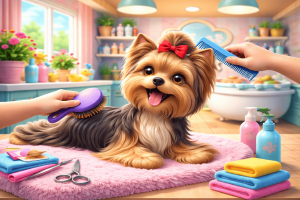
- Daily Brushing & Combing: Absolute necessity. Use a wide-toothed metal comb followed by a soft bristle or pin brush. Gently work from the skin outward, paying meticulous attention to friction areas: underarms, behind ears, belly, and hindquarters. Never brush just the surface.
- Bathing & Drying: Every 3-6 weeks with a high-quality cat shampoo and conditioner. Proper, thorough drying with a low-heat pet dryer is essential to prevent chill and mildew in the dense undercoat. Many owners learn to do this at home to reduce stress.
- Facial Care: Daily cleaning of eye corners and facial folds with a soft, damp cloth or vet-recommended wipe to remove tear stains and prevent dermatitis. Keep the area dry.
- Dental Care: Aim for daily tooth brushing with cat-specific toothpaste. Given their predisposition to dental issues, this is one of the most important health habits you can establish.
- Nail Trimming: Every 2-3 weeks.
Nutrition: Fueling Beauty from Within
Persians benefit from diets that support skin/coat health, urinary tract health, and appropriate weight:
- Kitten Food: High-quality kitten formula. Ensure easy access to food for steady growth, but monitor weight.
- Adult Food (1 year+): Premium adult formula. Consider diets with omega-3 and omega-6 fatty acids for coat health, controlled mineral content for urinary health, and a shape/size of kibble suitable for a brachycephalic mouth (some brands offer “Persian-specific” formulas).
- Senior Food (7-8 years+): Transition to a senior formula with adjusted calories, enhanced joint support, and nutrients supportive of kidney and cognitive health.
Critical Considerations:
- Portion Control: Persians are not highly active. Always measure food and avoid free-feeding to prevent obesity, which exacerbates joint, respiratory, and metabolic issues.
- Hydration: Encourage water intake with cat water fountains and wet food to support urinary and kidney health, especially important given the PKD risk.
- Shallow Bowls: Use wide, shallow dishes for food and water to avoid discomfort from their flat faces and prevent whisker stress.
For tailored feeding plans that consider your Persian’s unique needs, explore the guidance in our CarePet Nutrition Hub.
Environment, Safety, and Mental Wellbeing
Persians thrive in a stable, enriching, and safe indoor environment:
- Climate Control: Imperative. Maintain a cool, consistent temperature. Never leave a Persian in a hot room, car, or direct sun without escape and cooling options. They are extremely prone to heatstroke.
- Low-Impact Exercise: Encourage gentle play with wand toys, laser pointers (never shone in eyes), and feather toys to maintain a healthy weight and provide mental stimulation without overexerting their airways.
- Mental Stimulation: Provide puzzle feeders, cat trees by windows for “cat TV,” and rotating safe toys to prevent boredom, which can lead to stress or over-grooming.
- Safe Haven: Ensure they have quiet, elevated retreats away from household hustle. Their calm nature means they can be stressed by loud noises or chaotic environments.
- Litter Box Hygiene: Use large, open litter boxes with unscented, fine-clumping litter. Scoop daily, clean weekly. Their long coat can trap litter; some owners trim the fur around the hindquarters (“sanitary trim”) for cleanliness.
Find more ideas for enrichment and behavioral guidance in our CarePet Blog.
Advanced Preventive Care and Proactive Monitoring
For Persians, proactive screening and vigilant observation are the hallmarks of excellent care.
Essential Health Screenings
- Annual Veterinary Exams: Must include a thorough oral exam, cardiac and respiratory auscultation (listening for murmurs or abnormal airway sounds), eye examination, and body condition scoring.
- Genetic Testing: For PKD (DNA test) and PRA. This should be done by the breeder, but owners can confirm.
- Blood & Urine Tests: Annual senior wellness panels starting at age 7, including SDMA testing for early kidney function detection, are highly recommended.
- Blood Pressure Monitoring: Increasingly part of senior wellness exams, as hypertension can accompany kidney disease or be primary.
- Dental X-rays: Vital during professional cleanings (recommended annually or biannually) to assess disease below the gumline, where it is most prevalent.
Weight and Body Condition
Maintaining an ideal weight is critical. You should be able to feel their ribs easily with a slight fat covering, and see a discernible waist from above. Obesity severely impacts their joints, heart, and ability to groom themselves properly.
Recognizing and Responding to Common Persian Health Issues
Early detection and intervention are paramount. Be vigilant for these signs:
- Brachycephalic Airway Distress: Loud, raspy breathing (stertor), snoring, open-mouth breathing (especially at rest), cyanosis (blue-tinged gums), or collapse. These are emergencies, especially in heat.
- Polycystic Kidney Disease (PKD) / Kidney Failure: Increased thirst/urination, decreased appetite, weight loss, vomiting, lethargy, poor coat quality.
- Eye Issues: Persistent weeping, red/swollen eyelids, squinting, cloudiness, or apparent vision problems (bumping into things).
- Dental Disease: Bad breath, drooling, pawing at the mouth, difficulty eating, red or bleeding gums.
- Matting: Tight clumps of fur close to the skin that pull and cause pain. Never cut them out with scissors; use a dematting tool or seek professional groomer help.
With their specific vulnerabilities, never delay in seeking veterinary advice. Their conditions can deteriorate rapidly.
Caring for the Persian Kitten and Senior
Kitten Phase (0-1 Year)
- Grooming Acclimation: The single most important training. Handle daily—comb, touch paws, clean face gently—making it a positive experience to set the stage for a lifetime of stress-free care.
- Socialization: Expose them gently to various household sounds, respectful people, and handling. Prioritize calmness and positive associations over intense interaction.
- Establish Safe Routines: Set consistent times for feeding, play, and quiet time. Provide plenty of safe climbing and hiding spaces.
Senior Phase (10+ Years)
- Increased Veterinary Monitoring: Biannual check-ups with blood/urine tests are advisable to monitor kidney function, thyroid, and overall health.
- Comfort and Accessibility: Provide orthopedic beds, easy access to favorite spots via steps or ramps, and ensure litter boxes have low sides for easy entry.
- Adapted Grooming: They may need more help as arthritis sets in. Be extra gentle and consider more frequent professional grooming assistance.
- Quality of Life Focus: Work closely with your vet to manage chronic conditions like kidney disease, arthritis, or HCM with medication, diet, and environmental adjustments to maximize comfort and dignity.
The Ultimate Commitment: A Lifetime of Dedicated Stewardship
Welcoming a Persian cat into your life is to embrace a living work of art and a serene, loving soul. Their quiet presence, gentle affection, and breathtaking beauty are gifts that demand conscientious, educated stewardship. By committing to a comprehensive care plan—anchored by timely Persian cat vaccination, sustained by relentless grooming diligence, precise nutrition, and vigilant health monitoring—you do more than ensure their survival.
You honor their ancient legacy as companions of quiet refinement and actively build the foundation for a long, comfortable, and deeply bonded life together. The relationship with a Persian is one of mutual trust and tranquil companionship. Your informed, attentive, and loving daily care is the ultimate reciprocation of their devotion, repaying their serene affection with the promise of health, comfort, and beauty throughout their entire journey.
For a dedicated partner in this rewarding journey, leverage the AI-driven health tracking, expert resources, and supportive community available through CarePet for Pet Owners. Together, we can ensure your cherished Persian cat lives not just a long life, but the most graceful and content life possible.