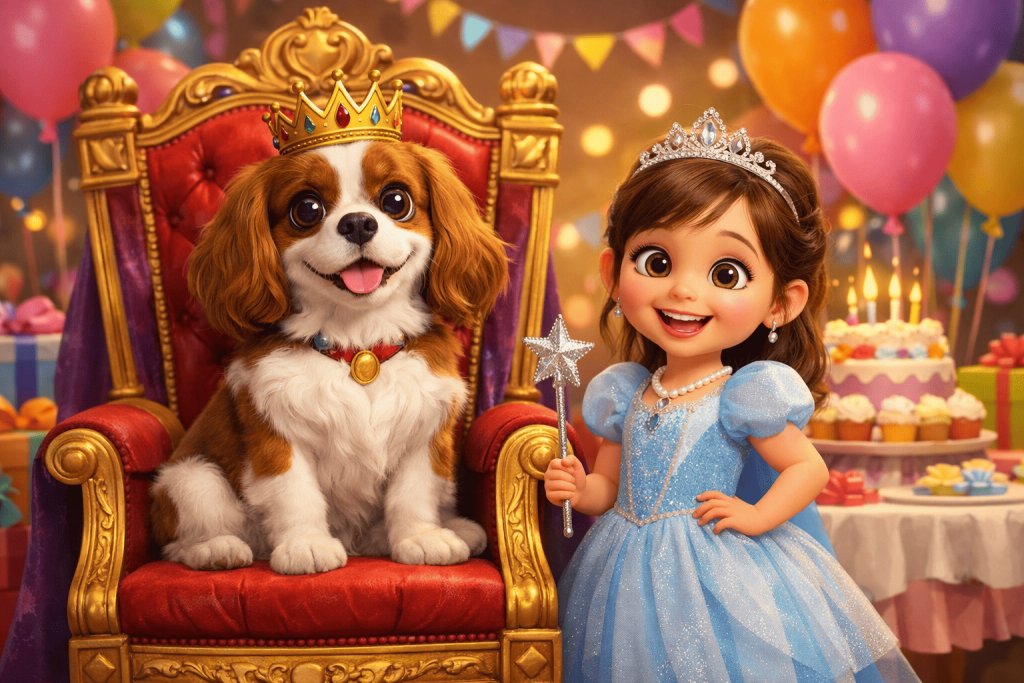
The Cavalier King Charles Spaniel, with its soulful, dark eyes and perpetually gentle expression, is the very embodiment of a companion dog. This affectionate toy breed, named for the royal admirers of the 17th century, carries itself with an innate elegance and a heart brimming with devotion. Unlike many toy breeds bred for specific tasks, the Cavalier’s historical purpose was singular: to provide warmth, comfort, and companionship. This legacy is etched into their DNA, resulting in a dog that is friendly, adaptable, and deeply bonded to its family.
Today, the Cavalier is cherished worldwide for its sweet temperament, silky coat, and graceful demeanor. However, this “love sponge” of a breed comes with a unique and critical set of health considerations. From adhering to a precise Cavalier King Charles Spaniel vaccination schedule to proactive screening for breed-specific cardiac and neurological conditions, informed and vigilant care is the cornerstone of ensuring a long, high-quality life. This comprehensive guide is your essential roadmap to understanding and meeting every need of your Cavalier King Charles Spaniel.
For personalized health tracking, vaccination reminders, and AI-driven insights tailored to your Cavalier’s life stage, discover the innovative tools available at CarePet.ai.
Owning a Cavalier is an invitation to unparalleled companionship, but it is a commitment to a breed with particular vulnerabilities. Their unwavering desire to be by your side and their generally robust appetite for life can sometimes mask underlying health issues. A science-based approach to their care, beginning with foundational Cavalier King Charles Spaniel vaccination and extending to lifelong preventive health strategies, is not just advisable—it is a fundamental responsibility for any owner.
This guide will navigate you through every crucial aspect of Cavalier stewardship, from the playful puppy months to the serene senior years. For ongoing support and breed-specific insights, explore our curated resources on the CarePet Blog, where topics range from managing heart health to ethical breeding practices.
Understanding the Cavalier King Charles Spaniel: A Portrait of Grace and Heart
To provide exceptional care, one must first understand the Cavalier’s unique character and history. Developed from small toy spaniels depicted in centuries-old paintings, the modern breed was refined in the 20th century to resemble its historical ancestors. This heritage gifted them with a soft, sporting spaniel nature: they are gentle, eager to please, and remarkably good-natured with children, strangers, and other animals. They are intelligent and responsive to positive training, though their sensitive nature means harsh methods are particularly counterproductive.
Physically, their characteristics dictate specific care needs. Their beautiful, medium-length coat requires regular maintenance to stay tangle-free. Their moderately proportioned, toy-size frame makes them portable yet sturdy. Most importantly, their genetic makeup includes predispositions to several serious health conditions that responsible owners must understand and monitor from the start.
Key Health Predispositions for Cavalier King Charles Spaniels:
- Mitral Valve Disease (MVD): A progressive, genetic heart condition where the mitral valve degenerates, leading to heart murmurs and eventual congestive heart failure. It is the leading cause of death in the breed, with a high prevalence by middle age.
- Syringomyelia (SM): A serious neurological condition where fluid-filled cavities develop within the spinal cord, often associated with Chiari-like Malformation (a too-small skull). Symptoms can include phantom scratching (scratching at the neck without making contact), neck and back pain, and sensitivity to touch.
- Episodic Falling (EF) & Curly Coat Dry Eye (CCDE): Two separate recessive genetic conditions. EF causes muscle stiffness and collapse during excitement or exercise. CCDE causes a dry, curly coat and severe dry eye (Keratoconjunctivitis Sicca), requiring lifelong management.
- Hip Dysplasia: A malformation of the hip joint that can lead to arthritis and lameness, even in toy breeds.
- Patellar Luxation: A condition where the kneecap slips out of place, causing intermittent lameness.
- Ear Infections: Their long, floppy ears can trap moisture and debris, creating an ideal environment for yeast and bacterial infections.
- Dental Disease: Like many small breeds, their often-crowded mouths are prone to rapid plaque buildup and early periodontal disease.
This list underscores why a proactive, prevention-first health strategy, beginning with a robust Cavalier King Charles Spaniel vaccination protocol and including genetic screening and regular specialist checks, is non-negotiable. Reputable breeders should provide health clearances from the Orthopedic Foundation for Animals (OFA) or equivalent for heart, knees, hips, and eyes.
The Shield of Immunity: Vaccination in Cavalier King Charles Spaniel Healthcare
Vaccinations form the critical immunological foundation of your Cavalier’s lifelong wellness plan. The term Cavalier King Charles Spaniel vaccination refers to a carefully timed series of immunizations that protect against severe, often fatal, infectious diseases. For a sociable breed that thrives on outings to parks, cafes, and family gatherings, this protection is what enables safe exploration and interaction.
Vaccinations serve multiple vital functions: Lifesaving Protection against viruses with high mortality rates; Socialization Enablement allowing safe exposure during the critical puppy development window; Legal and Public Health Compliance through mandatory rabies immunization; and Breed-Specific Consideration, as any systemic illness can place undue stress on a breed already predisposed to cardiac issues.
The process introduces a safe antigen, training the immune system to recognize and destroy the actual pathogen in the future. A veterinarian will tailor a Cavalier King Charles Spaniel vaccination plan, considering your dog’s specific lifestyle and health status. Always discuss the benefits and any potential risks of vaccine reactions with your vet. This tailored plan is the cornerstone of a healthy start.
For authoritative guidelines on canine immunization, the American Veterinary Medical Association (AVMA) provides science-based resources for pet owners.
Core Vaccines: Essential Protection for Every Cavalier
Core vaccines are recommended for all dogs due to the severe, widespread nature of the diseases they prevent. For the affectionate and social Cavalier, these are fundamental:
Canine Parvovirus: A highly contagious virus causing severe, often bloody vomiting and diarrhea, leading to rapid dehydration and death, especially in puppies.
Canine Distemper Virus: A devastating multi-systemic virus attacking the respiratory, gastrointestinal, and nervous systems, often fatal or leaving permanent neurological damage.
Canine Adenovirus-2 (CAV-2): Protects against respiratory disease and infectious canine hepatitis (caused by CAV-1), which can lead to liver failure.
Rabies Virus: A fatal zoonotic disease affecting the central nervous system. Vaccination is legally required almost everywhere and is a critical component of public health safety.
These are typically administered together in a combination shot (DHPP or DAPP) starting at 6-8 weeks of age.
Non-Core Vaccines: Customized Protection Based on Lifestyle
Non-core vaccines are recommended based on an individual risk assessment. Your veterinarian will help determine which are appropriate for your Cavalier’s life:
Bordetella bronchiseptica (Kennel Cough): Highly recommended for Cavaliers that are groomed, attend daycare, are boarded, or visit any social canine settings. A harsh cough can be uncomfortable and may exacerbate underlying conditions.
Leptospirosis: A bacterial disease spread through water contaminated by wildlife urine. Consider if your Cavalier hikes, visits lakes/streams, or lives in an area with rodents. This is a zoonotic disease (can spread to humans).
Canine Influenza: Advised for social Cavaliers in areas with dog flu outbreaks or if they frequent dog parks, shows, or training classes.
Lyme Disease: Considered for dogs in tick-endemic areas who go on walks in grassy or wooded places. Consistent, vet-recommended tick prevention is crucial alongside any vaccine.
An honest discussion about your dog’s lifestyle is key. Tools like the lifestyle assessment in our CarePet Services suite can help you and your vet make informed decisions.
Crafting the Optimal Vaccination Schedule for Your Cavalier King Charles Spaniel
A structured schedule ensures immunity develops safely and effectively. The following is a general guideline; your veterinarian will customize it based on local disease risks and your puppy’s health.
Cavalier King Charles Spaniel Puppy Vaccination Schedule (First Year)
| Age | Vaccinations | Breed-Specific Notes |
|---|---|---|
| 6-8 weeks | First DHPP | Monitor for mild lethargy or soreness. Ensure the puppy remains hydrated and comfortable. This is a good age to begin gentle handling exercises to prepare for future vet visits. |
| 10-12 weeks | Second DHPP, First Bordetella, Leptospirosis (if recommended) | Critical window for safe socialization. Begin positive, controlled exposures to new people, sounds, and environments after this round, avoiding unvaccinated dogs or high-risk areas. |
| 14-16 weeks | Third DHPP, First Rabies (as per law), Final non-core vaccines | Essential final puppy booster to ensure full, lasting immunity. Discuss a 1-year vs. 3-year rabies vaccine with your vet. This visit is an ideal time for a preliminary cardiac auscultation (heart check). |
| 12-16 months | DHPP Booster, Rabies Booster, Non-core boosters | Transition to the adult schedule. A perfect time for a comprehensive wellness exam, including a thorough cardiac check, patella evaluation, and discussion about genetic health screening. |
Adult Cavalier King Charles Spaniel Vaccination Schedule
After the first-year boosters, the schedule simplifies but remains vital:
- DHPP: Boostered every 3 years, as recommended by most veterinary guidelines.
- Rabies: Boostered every 1-3 years, as required by local law and the vaccine type administered.
- Bordetella & Leptospirosis: Typically require annual boosters for continued protection, especially given the Cavalier’s social nature.
- Canine Influenza & Lyme: Annual boosters if initially recommended based on ongoing risk.
Each vaccination visit is a prime opportunity for a thorough wellness exam. For Cavaliers, this should always include a stethoscope examination of the heart for early murmurs, checking the knees, evaluating the ears, and assessing dental health. To seamlessly manage your Cavalier’s complex health timeline, utilize the tracking tools available through CarePet for Pet Owners.
Beyond the Needle: Holistic Care for a Thriving Cavalier
While Cavalier King Charles Spaniel vaccination provides the shield, comprehensive daily care builds a resilient, joyful, and healthy dog. This encompasses their grooming, nutritional, exercise, and mental well-being.
Grooming: Maintaining the Signature Silky Coat
The Cavalier’s coat is beautiful but manageable with consistent care:
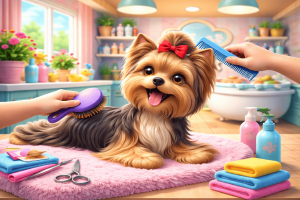
- Regular Brushing: Aim for 2-3 times per week with a slicker brush and a metal comb to prevent mats, especially behind the ears, under the legs, and around the feathering. Daily brushing during seasonal sheds is beneficial.
- Bathing: Every 4-6 weeks or as needed with a gentle, moisturizing dog shampoo and conditioner to maintain coat health and skin hydration.
- Ear Care: Weekly cleaning with a vet-approved ear cleaner is crucial to prevent infections. Check for redness, odor, or excessive wax.
- Dental Care: Aim for daily tooth brushing with dog-specific toothpaste. This is critical for preventing periodontal disease, which can have systemic effects, including on heart health.
- Nail Trimming: Regular trimming every 3-4 weeks to prevent overgrowth, splitting, and discomfort while walking.
Nutrition: Fueling a Gentle Companion
Cavaliers can be food-motivated and prone to obesity, which exacerbates joint and heart issues. Careful nutrition is key:
- Puppy Food: High-quality small or medium-breed puppy formula. Feed scheduled meals (3-4 times daily) to support steady growth.
- Adult Food (1 year+): Premium adult formula, preferably with real meat as the first ingredient. Consider diets with omega-3 fatty acids (for skin/coat and anti-inflammatory benefits) and controlled calorie content.
- Senior Food (7-8 years+): Transition to a senior formula with adjusted calories, enhanced joint support (glucosamine/chondroitin), and nutrients supportive of cardiac and cognitive health.
Critical Considerations:
- Portion Control: Always measure food. Use a kitchen scale for accuracy. Avoid free-feeding. Treats should not exceed 10% of daily caloric intake.
- Weight Management: Maintain a lean body condition. You should be able to easily feel their ribs. Obesity is a major preventable risk factor for numerous health problems.
- Specialized Diets: For Cavaliers diagnosed with early MVD, your veterinarian or cardiologist may recommend a diet moderately restricted in sodium.
For tailored feeding plans that consider your Cavalier’s unique needs, explore the guidance in our CarePet Nutrition Hub.
Exercise, Safety, and Mental Wellbeing
Cavaliers are adaptable but benefit from a balanced routine:
- Physical Exercise: 30-60 minutes of moderate activity daily, such as leashed walks, gentle hikes, or play in a secured yard. Avoid excessive, high-impact exercise, especially in hot weather, due to brachycephalic tendencies (short muzzle) and cardiac concerns.
- Mental Stimulation: Their intelligent, eager-to-please nature thrives on short, positive training sessions, puzzle toys, scent games, and learning new tricks. This strengthens your bond and prevents boredom.
- Safety First: Due to their strong companionship instinct, they can be prone to separation anxiety. Gradual training to enjoy alone time is important. Always use a harness rather than a collar on walks to protect their trachea. Be mindful of their desire to chase small animals (spaniel heritage).
- Temperature Sensitivity: Their moderately brachycephalic muzzle and dense coat make them susceptible to overheating. Avoid vigorous exercise in heat and ensure constant access to shade and water.
Find more ideas for enrichment and behavioral guidance in our CarePet Blog.
Advanced Preventive Care and Proactive Monitoring
For Cavaliers, proactive screening is not optional; it is the heart of responsible ownership.
Essential Health Screenings
- Annual Veterinary Exams: Must include a detailed cardiac auscultation by a veterinarian familiar with early MVD murmurs, patella evaluation, dental assessment, and weight check.
- Cardiac Ultrasound (Echocardiogram): The gold standard for diagnosing and staging Mitral Valve Disease. Discuss a baseline scan around age 3-4 with your vet, followed by regular monitoring as recommended.
- Neurological Exam: Be alert for signs of Syringomyelia (e.g., phantom scratching, neck/back sensitivity). Diagnosis typically requires an MRI.
- Ophthalmic Exams: Annual eye checks by a veterinary ophthalmologist are recommended to screen for dry eye (CCDE) and other issues.
- Genetic Testing: Reputable breeders test for Episodic Falling (EF) and Curly Coat Dry Eye (CCDE). Owners can use these tests to understand their dog’s status.
Weight and Body Condition
Maintaining an ideal weight is one of the most impactful things you can do. Use a body condition score chart: you should see a visible waist from above and be able to easily feel ribs. Regular weighing at home can catch gradual gains before they become a problem.
Recognizing and Responding to Common Cavalier Health Issues
Early detection is paramount. Be vigilant for these signs:
- Mitral Valve Disease (MVD): Early signs are often subtle: a slight decrease in stamina, softer cough (especially at night or after lying down), or increased respiratory rate while sleeping (count breaths per minute when fully asleep; over 30-35 is a concern). Report any of these to your vet immediately.
- Syringomyelia (SM): Phantom scratching (air scratching near the neck), neck/back pain, reluctance to jump, yelping for no apparent reason, or sensitivity to touch on the neck or shoulders.
- Ear Infection: Head shaking, scratching at ears, redness, foul odor, or discharge.
- Dental Disease: Bad breath, red or bleeding gums, difficulty eating, pawing at the mouth.
With their predisposition to serious conditions, never adopt a “wait and see” approach. Prompt veterinary consultation is crucial.
Caring for the Cavalier King Charles Spaniel Puppy and Senior
Puppy Phase (0-1 Year)
- Socialization is Paramount: After initial vaccines, expose them positively to a wide variety of people, dogs, sights, and sounds. Cavaliers are naturally social, but positive early experiences build a confident, well-adjusted adult.
- Gentle Handling: Acclimate them to having their paws, ears, mouth, and body touched to simplify future grooming and vet exams.
- Establish Routine: Set consistent schedules for feeding, potty breaks, and sleep. Begin basic obedience training (sit, stay, come) using positive reinforcement.
Senior Phase (8+ Years)
- Increased Veterinary Monitoring: Biannual check-ups, including more frequent cardiac auscultation and blood work, are advisable.
- Comfort and Accessibility: Provide orthopedic beds, ramps or steps to access favorite furniture, and ensure they are warm and draft-free.
- Adapted Exercise: Shorter, more frequent, gentle walks. Focus on mental stimulation over physical exertion.
- Quality of Life Focus: Work closely with your vet to manage any chronic conditions like MVD or arthritis with medication, diet, and lifestyle adjustments to maintain comfort and happiness.
The Ultimate Commitment: A Lifetime of Cherished Partnership
Welcoming a Cavalier King Charles Spaniel into your life is to invite in a boundless source of affection, grace, and quiet companionship. Their gentle soul and loving eyes reflect a deep trust that they place in you, their guardian. By committing to a comprehensive care plan—anchored by timely Cavalier King Charles Spaniel vaccination, sustained by vigilant health screening, precise nutrition, and thoughtful grooming—you do more than manage risks.
You honor their noble history as companions and actively build the foundation for as many healthy, joyful years together as possible. The relationship with a Cavalier is one of mutual devotion, a heartwarming partnership where your informed, proactive, and loving care is the greatest gift you can offer in return for their unwavering loyalty.
For a dedicated partner in this rewarding journey, leverage the AI-driven health tracking, expert resources, and supportive community available through CarePet for Pet Owners. Together, we can ensure your cherished Cavalier King Charles Spaniel lives not just a long life, but a full and vibrant one, filled with the comfort and love they so freely give.