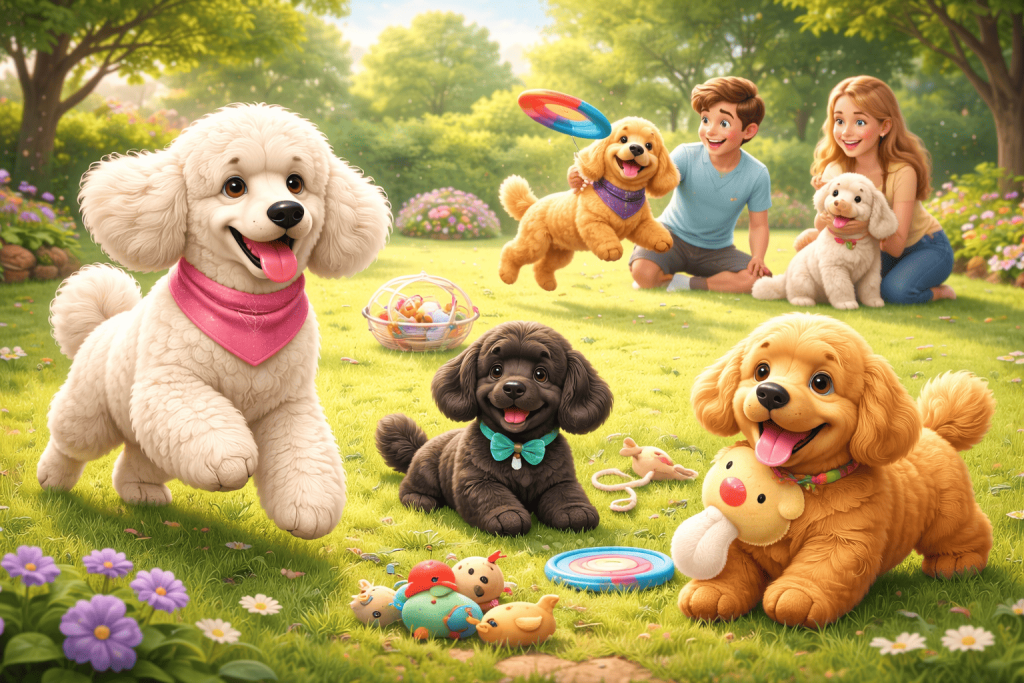
The Poodle, in all its size variations—Standard, Miniature, and Toy—stands as one of the most intelligent, versatile, and elegant dog breeds in the world. Renowned for their exceptional cognitive abilities, hypoallergenic coats, and remarkable adaptability, these sophisticated dogs have excelled as companions, performers, and working dogs across centuries.
However, their distinctive physical and mental characteristics come with specific care requirements that every owner must understand. This comprehensive guide explores everything from essential Poodle vaccination protocols to holistic care strategies that ensure your companion thrives throughout every life stage.
For additional resources and personalized guidance, visit our comprehensive pet care platform at CarePet.ai.
Poodles possess a unique combination of athletic grace, intellectual curiosity, and emotional sensitivity that demands specialized attention. Their varied size categories, distinctive grooming requirements, and specific genetic predispositions necessitate a proactive approach to healthcare.
Understanding the intricacies of Poodle vaccination schedules, coat maintenance, and preventive care can significantly impact your dog’s quality of life and longevity. This guide serves as your definitive resource for navigating the rewarding journey of Poodle ownership across all size varieties.
For ongoing support and additional breed-specific information, explore our curated content on the CarePet Blog, where we regularly publish expert-vetted articles on canine health, behavior, and wellness.
Understanding the Poodle: Breed Characteristics and Health Considerations
Before delving into specific care protocols, it’s crucial to understand what makes the Poodle unique. Originally developed in Germany as water retrievers (the name “Poodle” comes from the German “Pudel,” meaning “to splash in water”), these dogs were later standardized in France where they became iconic companions.
Their intelligence consistently ranks among the highest of all dog breeds, making them exceptionally trainable but also demanding of consistent mental stimulation.
Poodles come in three distinct size categories with different characteristics:
- Standard Poodle: Over 15 inches at the shoulder, 45-70 pounds – athletic and elegant
- Miniature Poodle: 10-15 inches at the shoulder, 15-17 pounds – versatile and adaptable
- Toy Poodle: Under 10 inches at the shoulder, 4-6 pounds – portable yet spirited
All Poodles share the distinctive curly, dense, single-layer coat that grows continuously and is considered hypoallergenic. Their characteristic grooming styles originated from practical purposes—the traditional clips helped protect joints and vital organs while allowing free movement in water.
Perhaps most importantly for healthcare planning, Poodles have specific genetic predispositions that informed owners should recognize:
- Hip Dysplasia: Particularly in Standard Poodles, though all sizes can be affected
- Progressive Retinal Atrophy (PRA): Hereditary eye condition leading to blindness
- Sebaceous Adenitis: Skin condition affecting oil glands, leading to hair loss and scaling
- Addison’s Disease: Endocrine disorder particularly prevalent in the breed
- Epilepsy: Neurological condition with higher incidence in Poodles
- Legg-Calvé-Perthes Disease: Hip joint disorder in smaller varieties
- Patellar Luxation: Common in Miniature and Toy Poodles
These breed-specific concerns underscore why a proactive healthcare approach, beginning with proper Poodle vaccination and extending to comprehensive preventive care, is essential for this remarkable breed.
For more detailed information on genetic health testing, consult the Orthopedic Foundation for Animals (OFA) database.
The Critical Role of Vaccination in Poodle Health
Vaccinations represent the cornerstone of preventive healthcare for Poodles, providing protection against potentially fatal diseases. The term Poodle vaccination encompasses a carefully timed series of immunizations that begin in puppyhood and continue throughout adulthood.
These medical interventions are particularly important for Poodles, whose intelligence often leads them into various social and training environments.
For Poodles, vaccinations serve multiple vital functions:
- Disease Prevention: Protection against common canine illnesses that could impact their active lifestyles
- Socialization Enabler: Safe participation in training classes, dog sports, and social events
- Breed-Specific Protection: Addressing known immune system considerations in the breed
- Service Dog Readiness: Essential for Poodles working as service or therapy animals
The vaccination process works by introducing either weakened or inactivated forms of pathogens, or specific proteins from these organisms, into your dog’s system. This exposure stimulates the production of antibodies and memory cells that provide long-term protection.
For Poodles, whose often busy social calendars and training commitments expose them to various environments, this protection is particularly valuable.
It’s worth noting that some Poodles may have sensitive systems, and their size variations require appropriate dosing considerations. Always discuss your dog’s individual needs with your veterinarian when planning Poodle vaccination protocols.
For additional scientific resources on canine immunology, the American Veterinary Medical Association offers comprehensive guidelines.
Core Vaccines: Essential Protection for Every Poodle
Core vaccines are those recommended for all dogs regardless of lifestyle or location. These protect against diseases that are widespread, pose serious health threats, or have public health significance.
For Poodles, the core vaccines include:
Canine Distemper Virus: A highly contagious and often fatal viral disease affecting multiple body systems. Poodles participating in group activities are particularly vulnerable to exposure.
Canine Parvovirus: This virus causes severe vomiting, diarrhea, and dehydration with high mortality rates in unvaccinated dogs. Poodle puppies, regardless of size, require timely vaccination.
Canine Adenovirus (Hepatitis): This virus primarily affects the liver but can also impact other organs. Vaccination provides protection against both hepatitis and respiratory forms of the disease.
Rabies: A fatal viral disease that can transmit to humans, rabies vaccination is legally required in most regions. Poodles, often serving as frequent companions in public spaces, benefit from this essential protection.
These core vaccines typically begin between 6-8 weeks of age, with boosters administered every 3-4 weeks until the puppy reaches 16 weeks. Adult dogs require regular boosters according to veterinary recommendations and local regulations.
Non-Core Vaccines: Tailored Protection Based on Lifestyle
Non-core vaccines are administered based on a Poodle’s individual risk factors, including geographic location, lifestyle, and specific activities. Your veterinarian can help determine which of these additional protections your dog might need:
Bordetella bronchiseptica (Kennel Cough): Essential for Poodles who socialize with other dogs, attend training classes, grooming appointments, or doggy daycare. Their social nature and frequent participation in structured activities make this particularly important.
Leptospirosis: Important for Poodles with outdoor exposure, especially Standard Poodles who may enjoy hiking or swimming in natural bodies of water. This bacterial disease can spread to humans and is increasingly common in many regions.
Lyme Disease: Considered for Poodles in tick-endemic areas who spend time outdoors. Standard Poodles used for hunting or field activities particularly benefit from this protection.
Canine Influenza: Recommended for social Poodles in areas where outbreaks occur. Poodles participating in dog shows, competitions, or frequenting busy dog parks may benefit from this additional protection.
Rattlesnake Vaccine: Considered for Poodles in regions with venomous snakes who enjoy hiking or outdoor adventures, particularly relevant for active Standard Poodles.
When discussing non-core vaccines with your veterinarian, consider your Poodle’s specific lifestyle factors. Our CarePet Services include lifestyle assessment tools to help you make informed decisions about your dog’s healthcare needs.
Creating a Comprehensive Vaccination Schedule for Your Poodle
A well-planned vaccination schedule is essential for ensuring your Poodle develops proper immunity without overwhelming their system. The following timeline represents a typical schedule, though your veterinarian may adjust based on your dog’s specific size, needs, and local disease prevalence:
Puppy Vaccination Schedule (First Year)
| Age | Vaccinations | Notes |
|---|---|---|
| 6-8 weeks | Distemper, Parvovirus | First DHPP (combination vaccine); adjust dose for Toy Poodles |
| 10-12 weeks | DHPP, Leptospirosis, Bordetella | Add lifestyle-based vaccines; ideal socialization period |
| 14-16 weeks | DHPP, Rabies, Lyme | Final puppy boosters; rabies as required by law |
| 12-16 months | DHPP, Rabies, Non-core boosters | First adult vaccination series |
Adult Vaccination Schedule
After the first year, most core vaccines transition to a three-year schedule, while some non-core vaccines require annual boosters. Your veterinarian will provide specific recommendations based on vaccine types, your dog’s health status, and local regulations:
- DHPP: Every 3 years after the first annual booster
- Rabies: Every 1-3 years depending on vaccine type and local laws
- Bordetella: Every 6-12 months based on exposure risk
- Leptospirosis: Annually for continued protection
- Lyme and Influenza: Annually if recommended for your dog’s lifestyle
Regular veterinary check-ups accompanying vaccinations provide opportunities to monitor your Poodle’s overall health, discuss emerging concerns, and adjust care strategies as needed.
These visits are perfect moments to address breed-specific issues like dental health (particularly important for Toys), joint health, and early detection of endocrine disorders.
For help tracking your Poodle’s vaccination schedule and health records, explore our digital tools available through CarePet for Pet Owners.
Beyond Vaccination: Comprehensive Care for Your Poodle
While Poodle vaccination forms a critical foundation for health, comprehensive care extends far beyond immunizations. Poodles thrive when their physical, mental, and emotional needs are consistently met through thoughtful husbandry practices that honor their intelligence and distinctive characteristics.
Nutritional Requirements for Optimal Health
Poodles have specific nutritional needs that vary by size and must address their energy requirements, coat health, and prevention of breed-specific conditions:
Puppy Nutrition (2-12 months): Poodle puppies require size-appropriate formulas. Toy and Miniature puppies need small-breed formulas with appropriate kibble size, while Standard Poodle puppies benefit from large-breed formulas with controlled calcium-phosphorus ratios to support proper bone development.
Adult Maintenance (1-7 years): High-quality adult dog food appropriate for your Poodle’s size and activity level. Foods containing omega fatty acids support skin and coat health, while appropriate protein levels maintain lean muscle mass.
Senior Formulas (7+ years for Standards, 8+ for Miniatures, 9+ for Toys): As Poodles age, their metabolic needs change. Senior formulas typically feature reduced calories, enhanced joint support, and ingredients that support cognitive function.
Key nutritional considerations for Poodles include:
- Coat and Skin Support: Omega-3 and omega-6 fatty acids for healthy skin and coat
- Joint Health: Glucosamine and chondroitin, especially for Standards and seniors
- Dental Health: Kibble designed to reduce tartar, particularly important for Toys
- Weight Management: Controlled calories to prevent obesity, which exacerbates joint issues
- Antioxidants: To support cognitive function and overall cellular health
Always consult your veterinarian before making significant dietary changes or adding supplements. For personalized nutrition guidance, our CarePet Nutrition Hub offers breed-specific feeding recommendations.
Exercise and Mental Stimulation Requirements
Poodles are intelligent, active dogs with substantial exercise and mental stimulation needs that vary by size:
Physical Exercise Needs by Size:
- Standard Poodles: 60-90 minutes daily – running, swimming, hiking, and structured play
- Miniature Poodles: 30-60 minutes daily – brisk walks, fetch, and interactive play
- Toy Poodles: 20-40 minutes daily – indoor play, short walks, and gentle exercise
Mental Stimulation Activities:
Poodles require substantial mental exercise to prevent boredom and destructive behaviors:
- Advanced Obedience Training: Regular training sessions that challenge their intelligence
- Dog Sports: Agility, obedience competitions, rally, and dock diving (for Standards)
- Puzzle Toys: Advanced food-dispensing puzzles and problem-solving games
- Nose Work: Scent detection games that engage their excellent olfactory abilities
- Trick Training: Learning complex tricks that provide mental challenges
- Interactive Play: Games that require thinking and problem-solving
A well-exercised and mentally stimulated Poodle is typically better behaved, healthier, and more content.
For activity ideas and training resources, browse our collection of CarePet Blog articles on canine enrichment.
Preventive Healthcare Beyond Vaccination
While Poodle vaccination protects against infectious diseases, comprehensive preventive care addresses other health threats specific to the breed:
Regular Health Screenings
Poodles benefit from regular health screenings to detect breed-specific issues early:
- Hip Evaluations: X-rays to screen for dysplasia, particularly important for Standards
- Eye Examinations: Annual checks by veterinary ophthalmologists for PRA and other conditions
- Endocrine Testing: Regular blood work to monitor for Addison’s disease and thyroid issues
- Dental Assessments: Frequent evaluations and cleanings, especially crucial for Toys
- Skin Evaluations: Regular checks for sebaceous adenitis and other dermatological conditions
- Patellar Evaluation: Regular checks for luxation in Miniature and Toy Poodles
Grooming as Healthcare
For Poodles, regular grooming is not just cosmetic—it’s essential healthcare:
- Professional Grooming: Every 4-8 weeks depending on coat length and style
- Home Maintenance: Daily brushing to prevent matting and skin issues
- Ear Care: Weekly cleaning to prevent infections in their hanging ears
- Dental Care: Daily brushing and professional cleanings as needed
Weight Management
Maintaining an ideal weight reduces stress on joints and decreases risk of other health issues:
- Regular weight checks and body condition scoring
- Portion control and measured feeding adjusted for size and activity level
- Appropriate treat selection and limitation
- Adjusting food intake based on activity level and life stage
For assistance managing your Poodle’s preventive care schedule, our CarePet Services include reminder systems and health tracking tools.
Addressing Common Poodle Health Concerns
Despite excellent care, Poodles may develop certain health conditions. Informed owners can recognize early signs and seek prompt veterinary attention:
Endocrine and Metabolic Disorders
- Addison’s Disease: Watch for lethargy, vomiting, diarrhea, weight loss, or shaking
- Hypothyroidism: Notice weight gain, lethargy, hair loss, or skin problems
- Cushing’s Disease: Observe increased thirst, urination, appetite, and pot-bellied appearance
Orthopedic Issues
- Hip Dysplasia: Look for difficulty rising, reluctance to exercise, or audible joint popping
- Patellar Luxation: Notice skipping steps, sudden lameness, or holding up a hind leg
- Legg-Calvé-Perthes Disease: Observe limping, pain, or muscle atrophy in hind legs
Other Health Concerns
- Sebaceous Adenitis: Watch for hair loss, scaling, or musty odor from skin
- Epilepsy: Witness seizure activity, which may include collapse, jerking, or unconsciousness
- Ear Infections: Notice head shaking, ear odor, or redness in ear canals
- Dental Disease: Observe bad breath, difficulty eating, or inflamed gums
Early intervention often improves outcomes for these conditions. Regular veterinary care and prompt attention to concerning symptoms are essential components of responsible Poodle ownership.
Special Considerations for Poodle Puppies and Seniors
Puppy-Specific Care
Poodle puppies require specialized attention during their development:
- Socialization: Controlled exposure to various people, animals, and environments between 3-16 weeks
- Grooming Introduction: Early positive experiences with brushing, bathing, and handling
- Training Foundation: Early obedience training using positive reinforcement methods
- Exercise Management: Appropriate exercise to support development without stressing growing joints
Senior Care Considerations
As Poodles age, their needs evolve:
- Mobility Support: Ramps, non-slip surfaces, joint supplements, and pain management
- Cognitive Support: Continued mental stimulation and potentially special diets
- Grooming Adaptations: Shorter clips for easier maintenance, gentler handling
- More Frequent Veterinary Visits: Biannual exams for early detection of age-related issues
- Comfort Measures: Orthopedic beds, temperature regulation, and modified exercise
Creating a Lifetime of Health and Happiness
Caring for a Poodle represents a significant commitment, but one that yields immeasurable rewards in companionship, loyalty, and mutual understanding.
By implementing a comprehensive care strategy that includes proper Poodle vaccination, balanced nutrition, appropriate exercise and mental stimulation, and regular preventive care, you provide your companion with the foundation for a long, healthy, and happy life.
Remember that each Poodle is an individual with unique needs and preferences. Pay attention to your dog’s specific responses to different foods, activities, and environments, and adjust your care approach accordingly.
The strong bond you develop through attentive care will enrich both your lives for years to come.
For ongoing support in your Poodle journey, explore the resources available through CarePet for Pet Owners, connect with our community of dedicated pet parents, and consult with veterinary professionals who understand the unique qualities of this remarkable breed.
The journey with a Poodle is one of mutual growth, learning, and deep companionship. By investing in their health through comprehensive care, including appropriate Poodle vaccination protocols, you honor their intelligence and elegance while ensuring many joyful years together.
These years will be filled with shared adventures, intellectual engagement, and a bond that reflects the very best of the human-canine relationship.